






























Select a subscription plan
You need a subscription to access this content.
Register to get 3 free articles
Register to unlock the article and receive our free newsletter. Join 26,000 other hotel leaders and stay in the know.
Want unlimited access? View Plans
Already have an account? Sign in
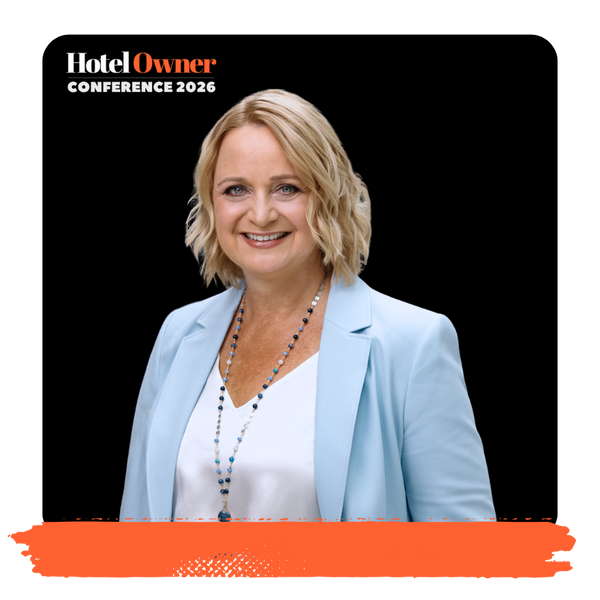
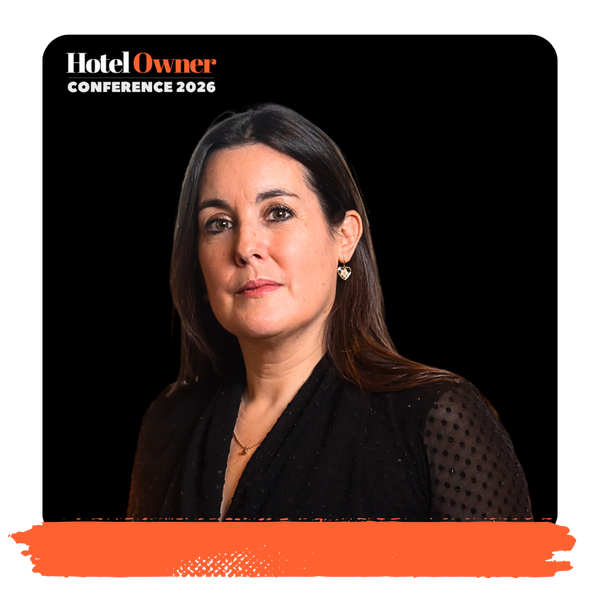
Julie White, Chief Commercial Officer at Accor for Europe and North Africa, leads with a clear vision: empowering hoteliers to drive revenue while delivering exceptional guest experiences. Her journey from interpreter to CCO is a compelling tale of adaptability, resilience, and a deep-seated passion for hospitality. Speaking from her vantage point, White offers invaluable insights into the operational, strategic, and human aspects of running one of the world’s largest hotel portfolios.
White’s career began far from the hotel industry, as an interpreter in Barcelona. It was here that her passion for travel ignited. “I fell in love with travel and living abroad,” she shares, which inspired her to pursue an MBA in global management. From there, she transitioned into the airline industry, working with leading carriers like American Airlines, British Airways, and Virgin Atlantic.
Her experience navigating major industry crises—such as 9/11 and the 2008 financial downturn—shaped her approach to leadership. “We had to reinvent, pivot, and find new ways to drive business,” she recalls. These lessons proved invaluable when she joined Wyndham Hotels in January 2020, just before the COVID-19 pandemic reshaped the hospitality landscape.
Reflecting on her time in the airline industry, White draws a poignant distinction between airlines and hotels: “The airlines are the engines that take you to a place, but hotels are what welcome you and make you feel part of a community.” This ethos continues to inform her work at Accor, where she’s focused on creating lasting, meaningful experiences for guests.
In September 2022, White took on her role as Chief Commercial Officer for Accor’s premium, midscale, and economy brands across Europe and North Africa. Her portfolio spans over 3,000 hotels in 48 countries, including household names like ibis, Novotel, and Mercure, as well as premium brands like Pullman and Mövenpick.
“My primary job is to make it easier for our hoteliers to be successful in driving revenue,” White explains. This mission involves overseeing a team of 600—affectionately called “artists” to reflect their creativity and passion—who work tirelessly to support Accor’s diverse properties.
Day-to-day, her work is a blend of strategic planning, cross-functional collaboration, and hands-on problem-solving. White’s key focus areas include enhancing revenue management tools, driving direct bookings, and boosting loyalty programme engagement. She also places a strong emphasis on adaptability: “What works in one market may not work in another, so we have to listen to the local teams and tailor our strategies.”
One of White’s most significant challenges is implementing strategies that resonate across such a vast and varied region. “France, our largest market, has a depth of history and concentration that requires different strategies compared to the UK or emerging markets in Eastern Europe and North Africa,” she notes.
To address these differences, White emphasises collaboration. “We create tools and strategies at the centre but work closely with local teams to adapt them to their specific needs,” she explains. This balance of global consistency and local flexibility allows Accor to meet diverse market demands while maintaining the core values of its brands.
Communication is another cornerstone of White’s approach. Recognising the logistical challenges of reaching thousands of employees across multiple countries, she employs a multi-channel strategy that includes emails, webcasts, newsletters, and face-to-face meetings. “Our goal is to make our messages clear and actionable, so general managers can focus on what helps their teams and properties succeed,” she says.
White is leading several key initiatives to enhance Accor’s operational efficiency and customer engagement. One notable project is the rollout of advanced revenue management systems in partnership with IDEAS. “Using automated information, these tools help hotels optimise pricing and maximise revenue,” she explains.
Direct bookings are another priority. White’s team is leveraging AI to personalise marketing messages and create a “stickiness” that encourages repeat visits. “It’s about using fresh, innovative approaches to engage customers and bring them back to our platforms,” she says.
These technological advancements are designed to benefit not only Accor’s properties but also the hotel owners who trust its brands. “We must deliver value to our owners by providing tools and strategies that drive measurable results,” White emphasises.
For White, sustainability is not just a buzzword but a core component of Accor’s long-term strategy. She highlights the increasing climate consciousness of travellers, noting that over 70% of Europeans consider sustainability when making travel choices. “We’ve committed to driving carbon neutrality and signed the Paris Agreement, but we need to show tangible actions, not just labels,” she asserts.
Accor’s sustainability initiatives include reducing food waste, conserving water, and tracking progress through dedicated tools. White acknowledges that implementation varies by property type: “A smaller economy ibis hotel has different priorities compared to a large convention centre hotel.” However, the overarching goal remains the same: to demonstrate meaningful progress to increasingly sceptical consumers.
As a senior female leader in hospitality, White is a strong advocate for gender equality and mentorship. She speaks candidly about overcoming imposter syndrome, a challenge she has faced throughout her career. “I keep a list of accomplishments—my ‘rah-rah list’—to remind myself of what I’ve achieved and boost my confidence,” she shares.
White also emphasises the importance of role models, both male and female, in shaping her leadership style. “I’ve learned so much by observing how others manage time, communicate, and address challenges,” she says. At Accor, she’s surrounded by inspiring women leaders, including CFO Martine Gerow and Chief Digital Officer Aline Benoit, who exemplify empathy and authenticity.
To support emerging leaders, White encourages regular feedback and coaching. “Leaders should see themselves as coaches, providing consistent, actionable feedback that helps their teams grow,” she advises.
This year marks the 50th anniversary of Accor’s iconic ibis brand, a milestone the company is celebrating with brand refreshes and guest events. Accor is also preparing for the 2024 Olympic Games in Paris, where it will welcome visitors to over 300 properties across the city. “The Olympics are a fantastic opportunity to showcase our hospitality on a global stage,” White enthuses.
Looking to the future, White sees distribution and visibility as key challenges for the industry. “Hotels are offering incredible experiences, but we need to ensure consumers see the full value of what’s available,” she says. By leveraging technology and strategic partnerships, she aims to make Accor’s offerings more accessible and appealing to a broader audience.
Julie White’s journey is a testament to the power of adaptability, collaboration, and purpose-driven leadership. Whether she’s implementing cutting-edge technology, fostering sustainability, or mentoring the next generation of leaders, her impact on the hospitality industry is both profound and far-reaching.
For hoteliers navigating their own challenges, White’s advice is clear: “Listen to your market, collaborate with your team, and focus on creating lasting value—for your guests, your staff, and your owners.” With leaders like White at the helm, the future of hospitality looks bright, inclusive, and full of opportunity.