


































Register to get 3 free articles
Register to unlock the article and receive our free newsletter. Join 26,000 other hotel leaders and stay in the know.
Want unlimited access? View Plans
Already have an account? Sign in
A very interesting article by Tammy La Gorce in the New York Times on 26 May got me thinking again about the state of our industry and the ‘infighting’ that is going on to design the ‘best possible’ room for the new generations of guests. Tammy states that with more than 500, yes, you read correctly, 500 hotel brands operating in the global markets, there are ‘smaller and smaller slices of the market for hotels to capture’.
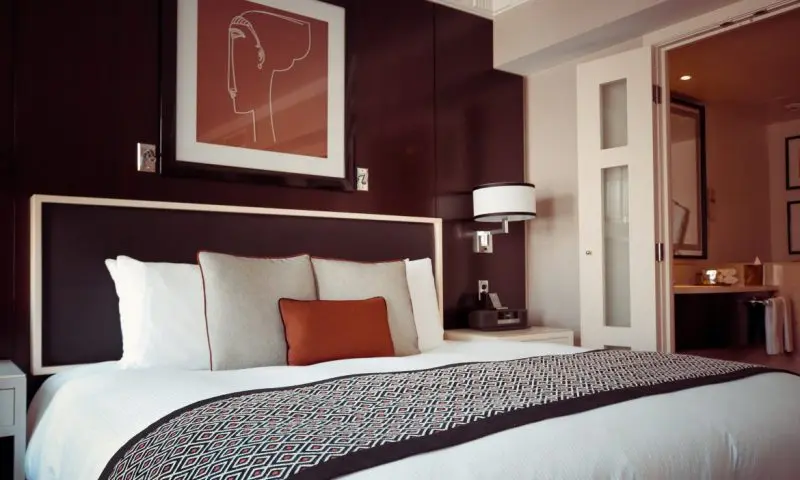
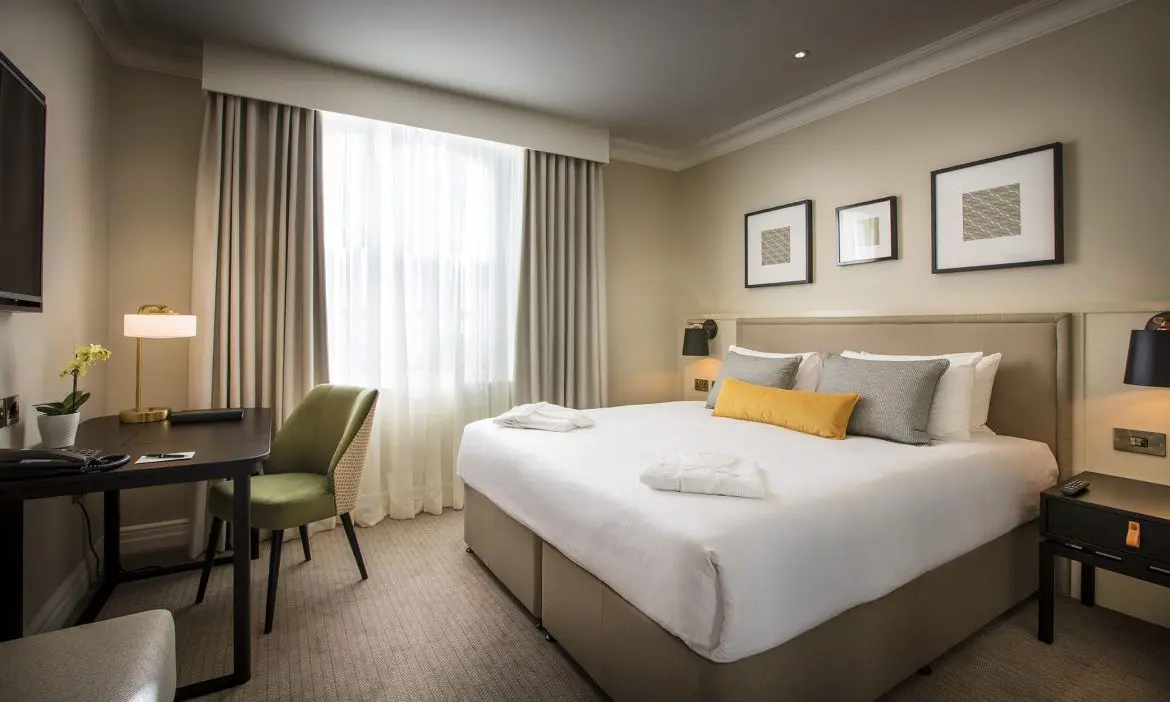
Ben Schlappig, a hotel blogger, points out that: “Hotel executives are building everything around millennials right now and expect the millennials to want to work in these hip communal lobby spaces or in bed.” However, is the elimination of closet space, writing desks and whatever the designers come up with next the real answer? Is it true that a vast majority of millennials do not want a closet or a desk? And what about the boomers and all the other generations that are still here and will be for years?
I, for one, still like having the desk in my room in case I want to use it. I like to unpack the minute I arrive and have my room set up as my ‘home away from home’, something the brands tout as the feeling you will have when staying with them. But my home has a desk and plenty of closet space, so how can a room without those be my home away from home?
I have written many articles about the looming threat to the independent owners and operators, and have also underlined the coming saturation point of rooms and hotels supply. Luckily for our hospitality industry guests cannot experience a ‘stay online’, and so hotels will always be necessary. This is the opposite of the retail industry which is experiencing the demise of big brand name shops and outlets as people purchase more and more online. In the papers today there is a headline that states that Reitman’s, a Canadian clothing retailer is going to shutter 40 more stores in addition to the 100 stores it closed in 2016.
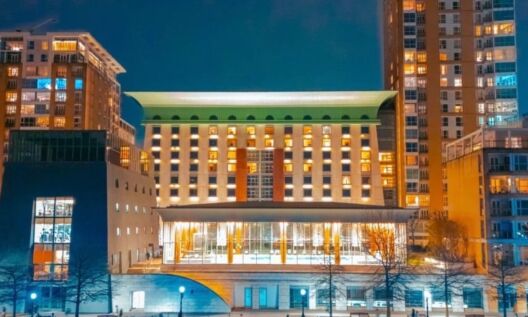
But this does not mean that the threat is any less for the hotel industry. More and more ‘cookie cutter’ hotels are being built to the new and ever changing trends. Communal lobbies, sparser bedrooms, cutting edge technology and communications; everything is jammed into these cardboard boxes in the attempt to gain occupancy and real estate value.
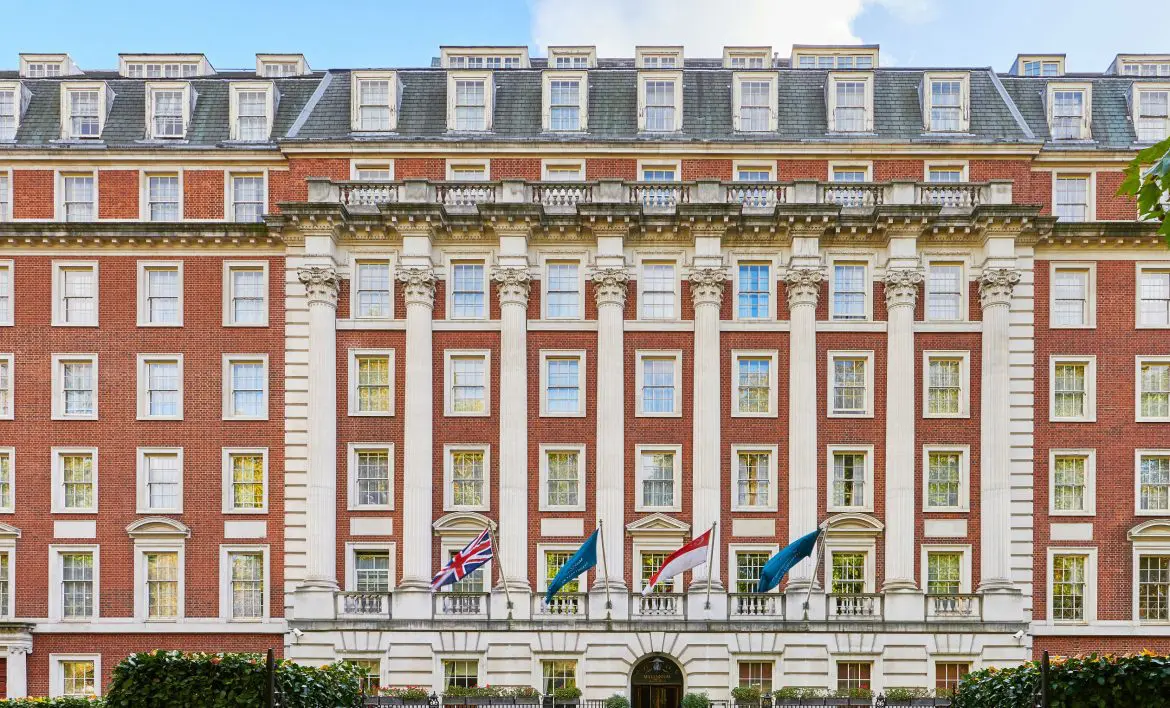
So where does that leave the independents? The situation in Europe is better than in North America as many of the independent operators are in historical buildings or buildings with some history to include in their branding.
However, all of the independents are caught in the crossfire of the big brand juggernauts who are trying to take over all the different types of hotels in order to clean up on the market.
More and more hotels are added to the supply, and the OTAs are gobbling up more and more of the occupancies. AirBnB and private home owners are adding supply to the vacation market which will reach saturation point at some time in the foreseeable future.
With this frantic competition going on, and with costs going up all the time it is natural to go for the easiest occupancy available and give more rooms to the OTAs. Some properties now have as much as 70% of their rooms taken up by OTAs. Some hotels start cutting staff. Others save on maintenance while others delay renovations.
All of these measures are understandable but inexcusable and will inevitably lead to losses and eventual closings. Can you begin to imagine the hotel battlefield if another recession hits? The answer for independents is to adapt to the new generations of customers and create a niche slice of the market for themselves. This means daring to go in a different direction than just competing with the generics in the hope that it will all be OK in the end.
The first and most important task is to create a good and caring hotel culture. This is not easy but will lead to keeping valuable staff for longer times, save considerably on turnover costs (up to £3,000 and more per employee), create pride and foster better achievements. Do not cut training budgets, but educate more on the diversity of the new generations of guests.
The executives must understand and fulfill the new needs and expectations of the millennials and other new guests. There must be added value to the stay experience. What the baby boomers and the generations before them expected from a stay are radically different than the expectations of the new guests.
Lastly, the branding must be created that differentiates the hotel from the generics. Creative ideas must tie the property to the history of the building or the town. Community involvement must be a mainstay for the hotel, and environmentally friendly policies should be introduced. Perhaps some funds are necessary to alter the interior design to give it a meaningful makeover and refresh the message of the new branding.
All of these changes do not mean that the hotel should not install the latest communication technology, or find a happy medium for the new room design and the furniture that is installed in it. Good maintenance, clean rooms, good facilities, friendly staff and a good F&B standard are still of utmost importance, but that is not enough for tomorrow.
The time has come for independents to sit down and contemplate their future as small fish in choppy seas where sharks are added daily.
This feature first appeared in the August 2017 issue of Hotel Owner.