































Popular now
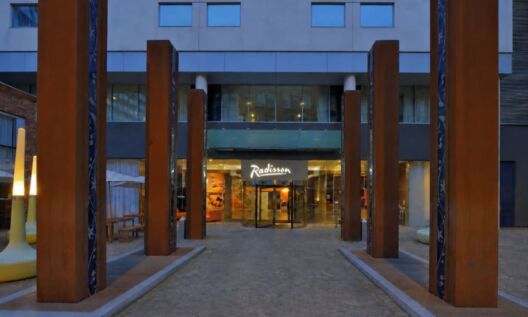
RBH secures management contract of Radisson Hotel Liverpool

RBH secures management contract of Radisson Hotel Liverpool

Marcliffe Hotel unveils £1.1m refurb

Marcliffe Hotel unveils £1.1m refurb

Safestay offloads Glasgow hostel for £5.1m

Safestay offloads Glasgow hostel for £5.1m

2026 Programme
09:40 – 10:25 Market Insights

Beyond the Horizon

A sharp, data-driven deep dive into the financial and economic currents shaping the UK hotel industry. The panel will unpack raw macroeconomic data, tying CPI changes and debt finance realities directly to RevPAR, ADR, and disposable guest spend.

Jeavon Lolay
Jeavon LolayLloyds Banking
Dave North
Dave NorthLloyds Banking
10:25 – 11:10 Operations

Frontline Fortitude

Hotel operators are caught in a pincer movement: skyrocketing supply chain and labour costs on one side, guests demanding flawless value on the other. This panel digs into asset management, smart cost-control, and building operational agility across diverse portfolios.

Julie White
Julie WhiteAccor
David Anderson
David AndersonAimbridge EMEA
David Hart
David HartRBH Hospitality
11:30 – 12:15 Leadership

The Modern Anchor

Managing a modern hospitality workforce demands a shift from old-school hierarchy to empathetic, visionary leadership. These industry standard-bearers explore how to inspire loyalty across multi-generational teams, foster open communication, and maintain personal mental resilience.

Christian Masters
Christian Mastersart'otel Hoxton
Caroline Gregory
Caroline GregoryThe Lovat Hotel
Simon Numphud
Simon NumphudAA Media Services
12:15 – 13:00 Events Market

The New Roar of MICE

The MICE sector looks radically different than it did a few years ago. From hyper-personalised retreats to tech-heavy hybrid conventions, this session uncovers what today's corporate planners actually want from a venue — and how to maximise yield per square foot.

Shonali Devereaux
Shonali DevereauxMIA
Varun Shetty
Varun ShettyThe Belfry Resort
14:00 – 14:45 Development

Blueprint for Growth

Despite tight credit markets, the appetite for strategic hotel development remains fierce. Brands and asset managers discuss the shift toward conversions, brand repositioning, and adaptive reuse over ground-up builds.

Tim Davis
Tim DavisPACE Dimensions
Gavin Taylor
Gavin TaylorClermont Hotels
Paul Blackmore
Paul BlackmoreHilton
David JM Orr
David JM OrrResident Hotels
14:45 – 15:30 Technology

Beyond the Buzzwords

AI is already driving revenue and plugging labour gaps. This panel cuts through the jargon to showcase how automated guest messaging, contactless check-ins, and predictive analytics can save thousands of labour hours.

DB
David BeersChoice Hotels
RBH
AI SpecialistRBH Management
CT
Canary PanelistCanary Tech
15:55 – 16:40 People & Culture

People First

Recruitment is tough, but retention is where the real battle is won or lost. Industry leaders share actionable advice on mental health initiatives, flexible working models, and defined career progression pathways.

Mark Lewis
Mark LewisHospitality Action
Suzanne Speak
Suzanne SpeakRadisson Group
16:40 – 17:05 Crisis Management

When the Custard Hits the Fan

In a 24/7 digital world, a single bad incident can escalate into a viral PR nightmare within minutes. A compressed, highly practical session delivering an actionable blueprint for emergency communication and brand protection.

CC
PR Leadership TeamCustard Comm.
Companies Joining Us
Accor Hilton Radisson Aimbridge RBH Hospitality The Resident Clermont The Belfry art'otel Hoxton Lloyds Banking Accor Hilton Radisson Aimbridge RBH Hospitality The Resident Clermont The Belfry art'otel Hoxton Lloyds Banking
Headline Sponsor
Canary Technologies
Supporters
Hop Software
HBD Partners
Become a Sponsor
Interested in partnering?
Please contact Michael Northcott, Editor and Event Director, at mjn@mulberrymedia.co.uk.
Canary Technologies: The #1 AI-powered guest management system. Trusted by 20,000+ hotels, Canary streamlines operations via contactless check-in, AI guest messaging, and secure transactions that reduce chargebacks by 90%.
Hop Software: A cloud-based Property Management System (PMS) built to reduce hotel expenses and drive direct bookings via commission-free engines. It simplifies complex operations for properties of all sizes at a fraction of legacy costs.
HBD Partners: Industry specialists in hospitality recruitment with 30 years of expertise. HBD focuses on sourcing elite talent and interim leadership to help leisure and travel firms achieve their impact goals.
Home > Features > Hotel fire safety and signage: what’s often overlooked
Hotel fire safety and signage: what’s often overlooked

Hotel fire safety and signage: what’s often overlooked

In this episode we speak to Philip Lassman, managing director UK&I at Numa. Philip spoke about the lessons learned from his time at Hilton, IHG and Accor, and how his early roles have shaped his leadership approach, the rise of aparthotels and why guests are increasingly seeking flexible and locally connected stays, how Native by Numa sites root themselves in their local neighbourhoods, and Philip’s plans for growing the Numa brand.

In association with

Fire safety duties: what the law says

Running a hotel in the UK means juggling a lot of responsibilities—but few are as vital as fire safety. While most hoteliers are aware of their legal duties, many still overlook key areas, particularly when it comes to signage and evacuation planning. And in case of emergency, these details make all the difference. Here’s what every hotel owner should have in place to stay compliant—and keep guests and staff safe.

Under the Regulatory Reform (Fire Safety) Order 2005, the hotel owner—or whoever has control of the premises—is legally defined as the “responsible person”. That title brings with it a list of specific obligations.

First, there must be a fire risk assessment in place, tailored to the building’s layout and usage. This involves identifying hazards, evaluating risks, and setting out actions to reduce them.

Then come the physical measures: fire alarms, emergency lighting, fire extinguishers, clear escape routes, and fire doors where necessary. These need to be maintained regularly and checked for faults.

There must also be a clear evacuation plan, with visible signage to guide both guests and staff—especially those unfamiliar with the building. And critically, all employees, including part-timers or seasonal staff, should know what to do in case of emergency. Training isn’t just a box-ticking exercise; it’s a legal requirement.

Why signage still trips up many hotels

Even when the basics are covered, signage is one area that frequently falls short—either through poor placement, lack of clarity, or simply not meeting the latest standards.

The Health and Safety (Safety Signs and Signals) Regulations 1996 make it clear: where a risk can’t be avoided or controlled by other means, signage must be used—and it must be clear, visible and consistent.

For hotels, that means:

  • Fire exit signs and evacuation maps in communal areas and back-of-house spaces.
  • Hygiene notices in kitchens and staff areas (e.g. hand-washing reminders).
  • Wet floor warnings where slips might occur—especially near spas, pools or after cleaning.
  • Guest safety notices—from allergen warnings to lift instructions.

It’s not just about compliance. When guests are in an unfamiliar building, well-placed signage can make the difference between confusion and a calm, safe response in an emergency.

Time to rethink the traditional exit sign?

Most hotels still rely on electrically powered exit signs. They do the job—until the power fails. While many systems have battery backup, these batteries need regular checks and replacements, and they don’t last forever.

A growing number of properties are now moving to photoluminescent signage—a type of glow-in-the-dark sign that works without wiring or power. These signs charge under normal indoor lighting, then shine brightly for hours during a blackout. 

In heritage properties or buildings with complex layouts, they’re particularly useful—no drilling, no cabling, just straightforward placement.

The risks of cutting corners

Even with the best intentions, many hotel owners find themselves drifting out of compliance. It’s rarely deliberate—it might be that a staff member hasn’t had their fire safety briefing yet, or a fire extinguisher check is overdue. But regulators don’t overlook these gaps.

In recent years, there have been fines of over £200,000 for breaches in hotel fire safety. And it’s not just the business that carries the liability—the responsible person can be personally prosecuted, especially in cases where the risk was clear and avoidable.

That’s why many hotel operators now bring in third-party specialists to audit their safety systems, run staff training, and upgrade signage and alarms. It’s not about outsourcing responsibility—it’s about knowing it’s been done right.

Safety that guests notice—before they even realise it

Guests rarely comment on fire signage in a review. But when they see clean, clear, professional signs, it reassures them that the property is well run. And when it comes to accessibility, inclusive signage—readable, visible and multilingual—can be a big plus for international visitors or those with visual impairments.

Whether you’re operating a large hotel or a family-run B&B, safety isn’t just a compliance issue. It’s about making sure your guests and team are protected—and that you’re confident in your building’s readiness, should the worst ever happen.

If your signage is overdue an upgrade, or you’re still relying on old electrical systems, now’s the time to take a closer look. Fire doesn’t give warnings—but your building should.
Previous Post

Moddershall Oaks retains 5-Star guest accommodation rating

Next Post

EasyHotel unveils £1m refurb for Paddington site