



































Register to get 3 free articles
Register to unlock the article and receive our free newsletter. Join 26,000 other hotel leaders and stay in the know.
Want unlimited access? View Plans
Already have an account? Sign in
For centuries, one of the best ways to improve the visibility and profits of your company was to make a splash in the national press.
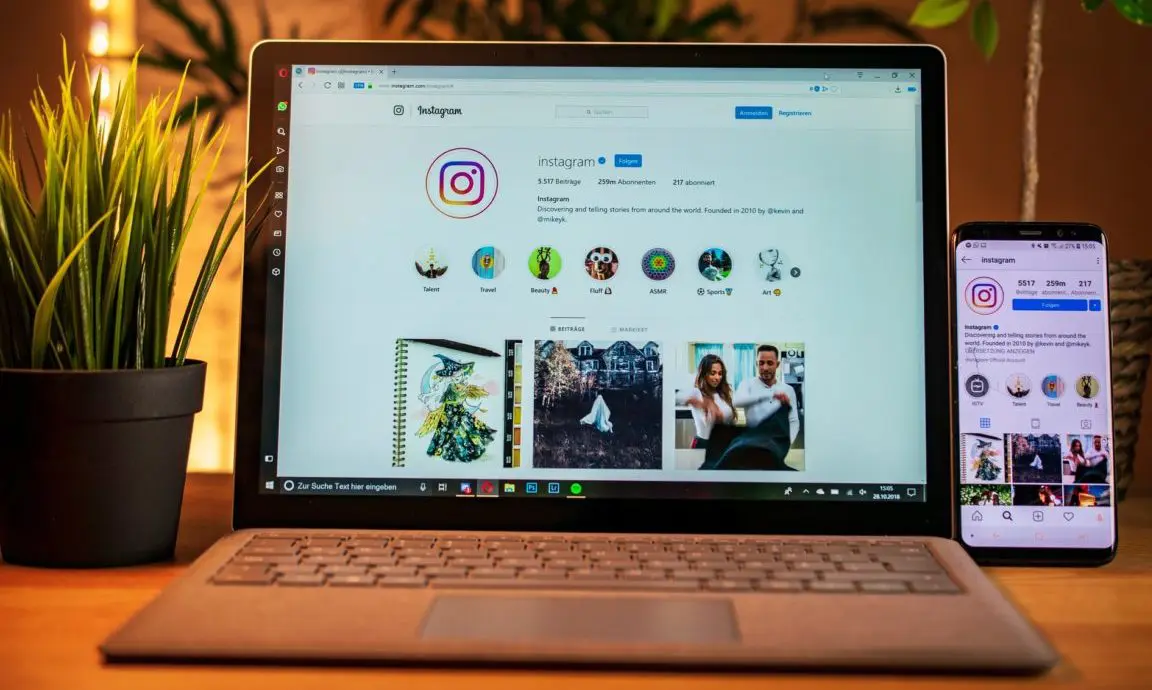
While the tabloids, broadsheets and other national publications, such as consumer and trade magazines can still hold a significant amount of weight and influence when it comes to promoting your brand to a wider audience and improving sales, the rise of the internet has created a world where everybody’s a reporter; where the opinion of even the most esteemed national journalist can be trumped by a person who’s built a huge, tribal-like following on Instagram.
With that said, it’s more important than ever for us hotel operators to engage with the world of PR, social media, bloggers and influencers to ensure our businesses have powerful marketing mechanisms capable of delivering results.
Public Relations
It’s fair to say, in 2019, that the modern consumer, young or old, is looking for experience, stories and that Instagram moment much more than traditional goods and services. Why?
For a start, studies have shown that spending your money on experiences provides longer-lasting joy than spending your money on ‘things.’ Experiences are also far easier to share, which is another important factor for the younger generations.
It’s much cooler and more engaging (you’ve got to get those likes) to post pictures and stories from a festival or boutique hotel on your Instagram feed than it is to share pictures of a new gadget you’ve just bought.
That’s why, at Roomzzz, we place a great deal of emphasis on the customer journey, making sure that all the boxes are ticked from the moment a guest arrives to the moment they leave – ensuring they receive an outstanding, ‘instagrammable’ experience that encourages others to visit.
The evolution of social media, which we’ll come onto later, and the changing personalities of consumers mean that they want more from brands and companies than just products and services – they want to know companies care about their lives, dreams and goals.
Millennials base much of their brand loyalty on whether a company mirrors their personal values, while Gen Z is acutely aware of the social, political and economic factors of the world and, therefore, wants businesses to have a purpose that goes beyond making money and contributes positively to the world in some way. This means that enhancing your hotel’s green credentials and supporting good causes can add powerful credibility to your brand story.
But what does this all have to do with PR? Well, in a crowded marketplace, where more hotel brands than ever before are all vying for a slice of the pie, we need to find a way of cutting through the noise and communicating with our audience in a meaningful way.
Seeing our hotel’s name up in lights (or within our target media) is great and gives us all that warm, fuzzy feeling inside, but we need to ensure that all our efforts are leading towards our objectives.
Is the piece of coverage in the right media, at the right time, containing all the key messages? All activities should be focused on this from messaging to placement.
While it may once have been correct to say, “There’s no such thing as bad publicity” – with the reviewer’s world we have today – that’s no longer the case. It’s also true to say that scattering your message across every channel and hoping that some sticks just isn’t cost-efficient.
An effective PR strategy identifies the stories behind your brand that are going to positively resonate with your target audiences. It works out exactly what makes your products or services newsworthy and how best to communicate these points in a compelling way to drive awareness and sales.
It identifies all the different publications and channels (not just the nationals) you can use to achieve your business objectives. A focused, less scattergun approach, that enables you to reach the right audience and achieve results.
Social Media Influencers
According to the Digital Marketing Institute, “49% of consumers depend on influencer recommendations,” and “40% had purchased something after seeing it on Twitter, YouTube or Instagram.”
These statistics show that social media influencers are no longer just a growing trend.
They’re here to stay and should be seriously considered by brands in order to connect with their target audiences and the ‘digital native’ generations coming through.
Whether it’s a hotel room or a pair of shoes, if a consumer trusts an influencer’s recommendation, they are more likely to hand over some of their hard-earned cash.
But what exactly is a social media influencer? The answer is, there are several different types, categorised by the size of their following. These are micro, who have around 5,000 – 10,000 followers , macro, influencers who have 10,000 – 1 million followers, mega influencers who have over 1 million + followers and celebrities who usually have followers in the millions.
As celebrity influencers are famous people, often with huge social followings, working with them can potentially be a very successful way of influencing your target customers. As they are so well known, with names and faces that are recognised across multiple industries, they’re effective at reaching people through a wide range of channels, from social media and radio to print and TV.
Even if your celebrity’s followers don’t all fit within your target audiences, having a well-known celebrity stay at, and recommend, your hotel can be a powerful form of social proof – the philosophy popularised by Dr Robert Cialdini, which, essentially, involves people basing their judgements (determining what’s correct) on what other people think.
However, before you go and put all your pounds in the ‘celebrity influencer’ basket, thinking that a larger following must mean better results, stop for a second and consider micro-influencers, which can be just,if not more, effective at connecting with an audience, securing more room bookings, and, ultimately, putting extra pennies in the bank.
As the saying goes, “Good things come in small packages,” and, with this in mind, HubSpot, a leading developer and marketer of software products, recently reported that “Micro-influencers have 22.2x more weekly conversations about what to buy than the average consumer” and “82% of consumers said they were highly likely to follow a micro-influencer recommendation on a product or service.” Pretty striking statistics.
But why are micro-influencers able to have such a big impact? Let me give you a scenario… Where would you find it easier to connect with people… in a room with 10 people or a room with 100? It’s this basic principle that makes the micro-influencer such a powerful force in today’s marketing landscape.
Micro-Influencers are typically more niche with a relatively modest fanbase in the thousands. Due to their smaller following and the content they create which tends to be much more focused on certain topics and interests, compared to their bigger counterparts, they typically achieve high engagement rates with their audience; in basic terms, the number of people who like, share, comment or interact with a post in some way.
The closer, more tight-knit community of the micro-influencer allows them to bond more easily and effectively with their regular followers; a relationship that’s not possible between a celebrity influencer and their millions of followers. In business, we’re always talking about “qualified leads” so when it comes to developing good, online relationships with potential customers that lead to bods on hotel beds, teaming up with a micro-influencer is often a good place to start.
Blog Influencers
One other important type of influencer to mention is the blog influencer; a person with an established blog who writes for thousands – sometimes millions – of readers and subscribers. What sets them apart from other bloggers is the size of their audience and influence.
Although they’re usually writing about a very specific or niche subject, they’ve developed a blog with the style and content to attract a massive audience. As a hotel brand, you may want to consider giving a relevant blog influencer a complimentary review stay.
You could ask to be mentioned in one of their blog posts or offer to write a guest post. If you have some budget to spend, you could explore sponsoring a post, which would enable you to provide images of your hotel or offer for them to share.
Summary
Today, it’s fair to say that people are far more sceptical (Brexit and the circus show in Parliament certainly haven’t helped!) But the one thing people continue to fall back on good old word of mouth, with a recent report from Nielson, the global measurement and data analytics company, showing that “92% of people trust recommendations from friends and family over any other type of advertising.”
However, it’s not just those closest to us that we’re now trusting, with influencers and bloggers now firmly added to that mix. What we’re living in is a review-fixated society, where a complete stranger can influence how we spend our money.
It’s this new word of mouth that is ultimately more powerful than a national piece of press coverage, and the very reason why hotels and brands in all sectors need to think seriously about upping their game when it comes to employing the help of PR companies and influencers to reach their target consumers.
Robert Alley, COO at Roomzzz Aparthotel