



































Register to get 3 free articles
Register to unlock the article and receive our free newsletter. Join 26,000 other hotel leaders and stay in the know.
Want unlimited access? View Plans
Already have an account? Sign in
These are interesting times for the hospitality industry. On the technological front, there is the proliferation of metasearch engines for travel and hotel companies. Today, home-sharing apps are also popular. These and other developments fusing hospitality with technology should make hotel owners seek new ways of bringing travelers into their establishments. The rise of Gen Z as a consumer class and the increased foothold millennials are getting in the economy are also developments that will drive innovation.
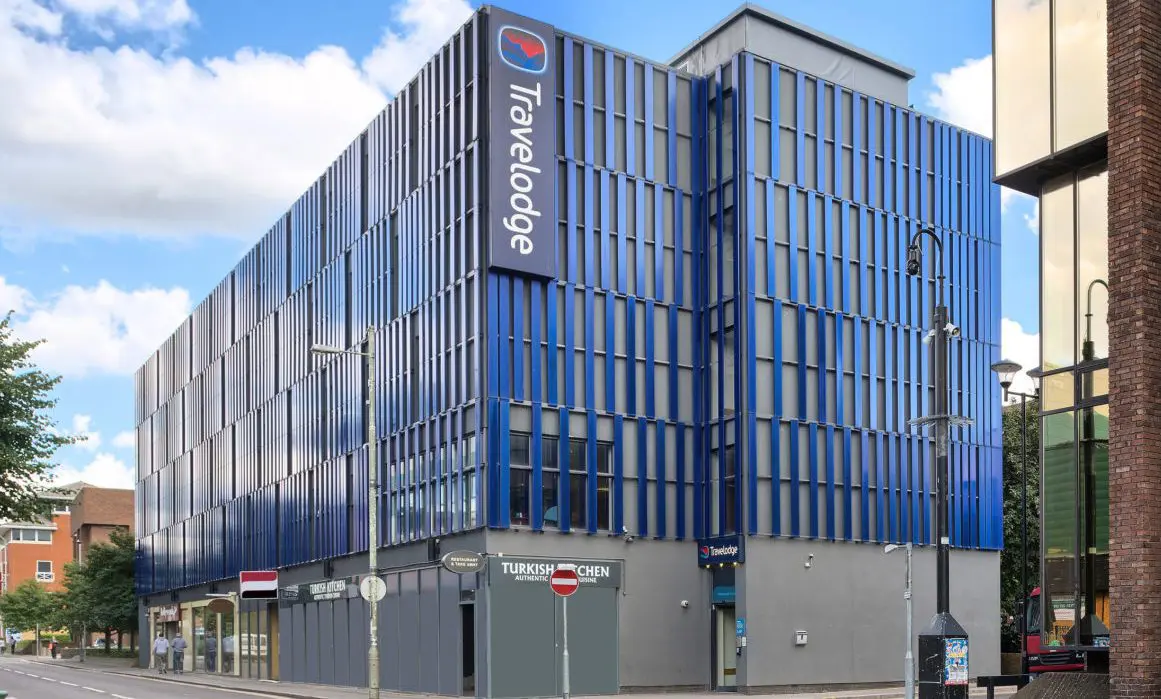
One of these changes is the rise of low-budget hotels. In 2019, 7,500 new budget hotel rooms opened in the UK, a 17% percent rise from 2018. Branding efforts by budget hotels like Premier Inn and Travelodge have led to growth for both their companies. Aside from offering cheaper rates than their nearest competitor–that is, three-star hotels–these players are also employing other strategies that ensure they remain contenders in the global hospitality landscape.
Designing for a thinner market segment
Budget hotels are among the most customer-centric companies in the industry. They understand their target market thoroughly and design their spaces to appeal to these segments. They understand that their market is composed of people who need just the essentials, such as corporate guests who just need a bed, a good bath, and an internet connection.
Newcomers like Oyo Hotels purchase old buildings, hostels, and guesthouses, revamping their look with more streamlined, modern furnishings that appeal to young travellers. Some of these budget hotels even look like very well-kept student dormitories. This is one of the principles of smart design–to have a branded look without resorting to elaborate accouterments.
Standardised property onboarding
Smart design also means uniform delivery of services, amenities, and renovations. For example, Oyo Hotels has Optimus, an app that helps its engineer and design teams to assess necessary renovations. It provides information such as the costs of these updates, who must perform the relevant tasks, and what has been accomplished so far. Optimus combines project management with procurement, which helps make the whole process efficient.
This helps keep the turnover time to a minimum. Oyo Hotels can transform a property within two weeks, as compared to the 10-18 months it takes other companies to onboard a new hotel. This is the reason why Oyo has more than 35,000 venues at present. This is a process used by other budget hotel companies in the Asia-Pacific such as Yanolja, a South Korean company currently estimated to be worth $1 billion.
Conclusion
Cheap hotels are a serious option for travellers looking to scale down on their expenses. Corporate workers who must travel for work are looking for places that offer the basics and would hesitate to check into a place with premium prices for what are relatively short-term stays. Young travellers, who budget far less than older ones, also favour budget chains.
Traditional hotels have much to learn from budget chains. The speed and uniformity of their processes help them set up shop quickly. They also deliver the same experience in every location. For a certain type of traveller, this can be comforting, and an assurance that their needs can and will be met.
For more news in the hospitality industry in the UK, subscribe to Hotel Owner today