






































Register to get 3 free articles
Register to unlock the article and receive our free newsletter. Join 26,000 other hotel leaders and stay in the know.
Want unlimited access? View Plans
Already have an account? Sign in
In a professional kitchen, watching food being thrown away is like money going down the drain. Hospitality expert DANIEL WILSON lays out some key ways to reduce your waste and increase your profit
At the end of every shift a head chef should be asking: ‘What’s in my bin?’ – just as much as the allergen law that changed in December 2014 made them ask: ‘What’s in my dish?’
Whilst it may not be the most pleasant task to rummage through waste, if there’s a lot to look through, you need to be asking why. The hospitality industry has long focused on cutting back on the outgoings – especially in utilities – but it has rarely examined the costs associated with food being thrown away and the savings that could be made by improving efficiency.
Recent figures suggest the hospitality sector could waste up to £3 billion worth of food in 2016, so few would disagree that it’s time to focus on controlling your waste.
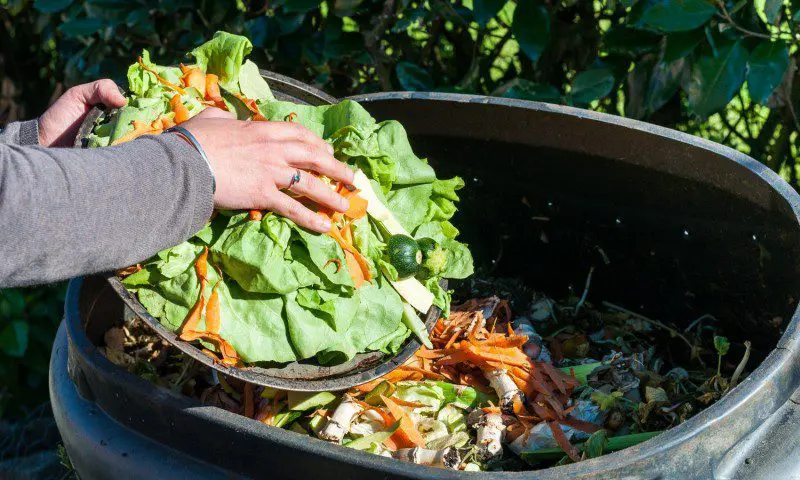
For every large bin full of food being thrown away think of it as a £10 note. That equates to around £18,000 a year if just five large bags of waste are produced per day. And it’s not just about how much food is scraped off the plate: about 50% of food waste in hotels is from over production. A further third is from plate waste due to over-portioning or ambitious buffet loading by customers. The remainder is down to poor ordering, bad stock rotation leading to spoilage, refrigerator temperatures being set too high, poor order-taking by serving staff or mistakes in cooking and customer dissatisfaction.
There are lots of ways to reduce this waste without actually having to work harder, providing teams take a look at their processes from menu planning to plate scraping.
RAISE AWARENESS, GIVE ADVICE, AND START SMALL
Ensuring your team is prepared to make a change begins by making them aware of the impact of waste on the world, your business, and ultimately the bottom line.
Research by the United Nations Environment Programme, shows that roughly one third of food produced in the world for human consumption every year gets lost or goes to waste, and this while 842 million people in the world do not have enough to eat.
The UK is a huge offender when it comes to food waste and according to the charity WRAP, we waste the equivalent of 1.3 billion meals every year, and just 12%of that food is recycled. Share these facts with your team and take it a step further by sharing your own figures to help raise awareness of the issue of food waste within your business. This should encourage ownership of the problem amongst your team.
MONITOR YOUR WASTE
Understanding what your business is throwing away is an essential part of learning how to create better processes to reduce these waste products.
While going through the trash is less than ideal, it can be the most telling – and sometimes the only way of discovering what we are wasting. Begin by introducing clear bin bags. This is going to be of great help when you want to monitor what’s been chucked out during the day.
I recommend randomly once a week lining up the bags and investigating them with the shift team that has thrown out the rubbish. Again this is helping everyone to take responsibility and raise awareness of the problem.
MEASURE AND RECORD
Measure and record what has been thrown away by making a list of what has been discarded and into which bin, as it’s likely kitchen staff will cast out their waste in a different bin from the waiting staff.
Get all staff to fill out a chart, which should be displayed in a prominent place, and ensure this is done regularly. To incentivise your team, reward them for completing the records, even if they have produced a lot of the waste. Remember this is the identification stage and allowing them to share their habits will not only help individuals to change patterns of behaviour but also their peers should begin to assist their development and progression of change.
This will not only enable identification of main sources of waste, but also see staff taking responsibility for their own waste habits.
DRAW UP AN ACTION PLAN
Now it is time to put the data you’ve collected to good use and draw up a plan of action. This plan should set out specific ways to reduce waste, including targets and individuals’ responsibilities.
Begin with the major problem areas in your business, and decide what you would like to accomplish within a certain timescale. If your main waste is from portion size, revisit your menu; but if the problem is food being left out of the refrigerator for excessive lengths of time, or temperatures being incorrect in the cooling areas, these processes need to be revisited too.
When you have decided what the new procedures will be, explain them and the reasons behind them to your team. We find nominating a Waste Tsar, someone who is responsible for the roll out of the new plans, helps with its success.
REVIEW, REVIEW, REVIEW
Once your processes are in place, be sure to constantly review them. Arrange regular meetings with your staff and update them on the progression of reduction in waste loss.
It’s essential to shout about your successes and reward the team for their part in this. The methods must be put in place to allow change but the physical reduction in waste must come from those on the floor, so it’s vital they feel alterations to the way in which they work have been recognised and valued.
And don’t be shy about sharing your success with the world. Tell your suppliers, customers and the press about your success and how you achieved it.
THE ENVIRONMENT TOO!
Ensuring the level of food waste is reduced must be something all hotels and hospitality firms begin to work towards not only for the success of their own business, but also for the health of the wider community.
Globally the United Nations estimates the food loss and waste to be 1.3 billion tonnes a year, and if food waste was a country, it would be the third largest emitter of CO2 worldwide. There is not just an economic requirement to reduce waste but it’s essential for wider reaching environmental reasons as well.
If businesses implement core changes and take responsibility for their own waste they should aim to achieve a 25% reduction in food waste in 2016 and a further 50% by 2017. This is something we as an industry can, and need, to do.
About the Author
Daniel Wilson is the managing director of PSL, the largest independent food procurement company in hospitality. He is also one of the Hospitality Experts, a consortium of industry specialists set up by hotel marketing firm Journey. For more information on Daniel and PSL visit www.psl-uk.co.uk.