





































Register to get 3 free articles
Register to unlock the article and receive our free newsletter. Join 26,000 other hotel leaders and stay in the know.
Want unlimited access? View Plans
Already have an account? Sign in
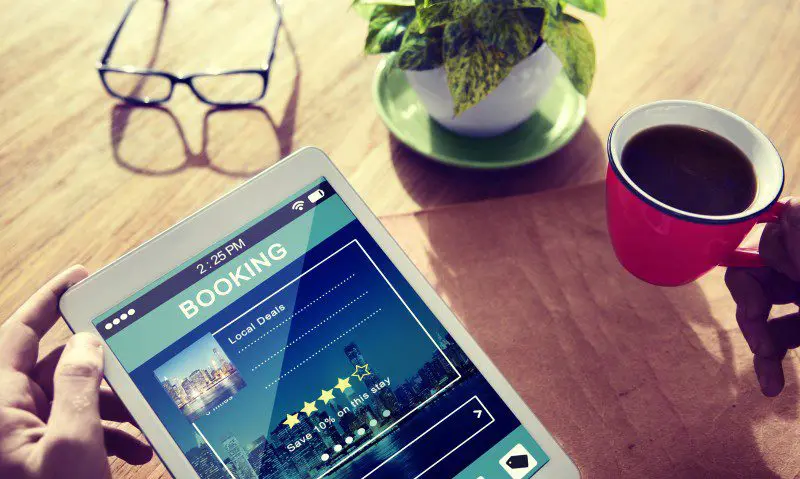
With an increasing number of consumers now booking hotel stays on their mobile phones, HELENA EGAN, director of industry relations at TripAdvisor, takes a look at how well prepared the UK hospitality market is
When you look at planning and booking trends, it’s clear that mobile usage is on the rise and a new segment of traveller is emerging – the ‘connected traveller’. But how do these travellers’ habits differ from other guests, and what can the hotel industry do to ensure their needs are being met?
The latest TripBarometer report from TripAdvisor sets out to answer these questions by delving into the behaviour of travellers who have used a smartphone to plan or book travel.
Introducing the connected traveller
The first thing to note is that connected travellers are everywhere. South America has the highest proportion with 57% of TripBarometer respondents in this segment, but the Middle East (55%) and Asia (49%) follow close behind. Europe and North America, traditionally thought of as technophile regions, actually lag slightly behind with 44% and 46% respectively. At a country level, Thailand and China lead the trend with 65% – compared to 44% of UK travellers.
Secondly, connected travellers are more likely than the average traveller to be influenced by ‘recommendation power’, with sites like TripAdvisor, word-of-mouth and content posted online by friends and family all cited as influential factors when deciding where to book.
Disrupting the traditional booking patterns
Thirdly, connected travellers’ booking patterns are different. Crucially, they are twice as likely as other global travellers to make travel related bookings via a mobile device. When looking at mobile apps specifically, as opposed to mobile web, 11% of connected travellers worldwide booked accommodation using a mobile app in 2015. This compares to just 4% of global travellers in 2014.
The trend toward mobile platforms for bookings is even more apparent when it comes to travel activities– 45% of connected travellers say they use their smartphone to book activities for their trip, versus only 28% of global travellers.
What does the connected traveller want – and what are hotels offering?
Two thirds (64%) of connected travellers say that they would appreciate their hotel offering power adaptors or converters to save them from having to bring their own. Almost half of the surveyed hoteliers already offer some form of this service – a simple and low cost way for smaller accommodations to show they are catering to their guests’ requirements.
Nearly half (45%) of all connected travellers would welcome an app to book things through while on their trip. Currently only one in six hoteliers (16%) globally offer this option.
Furthermore, over a third of connected travellers say they would like for a hotel to make SIM cards or temporary mobile phones available to guests. Only 7% of hotels currently provide this service – an offering that would be an easy win for smaller properties.
How well is the UK prepared?
According to the businesses surveyed in the TripBarometer study, hoteliers in the UK are just ahead of the global average when it comes to making themselves accessible to connected travellers, with 51% offering a mobile-friendly website and 59% already accepting bookings via a mobile device. They are, however, behind the curve when compared to their US counterparts – 59% of US hoteliers offer a mobile-friendly website and 63% accept mobile bookings.
The hospitality sector has a huge opportunity to attract a growing segment of connected travellers. Hotels should be identifying the best ways to make themselves visible and accessible on mobile platforms in order to appeal to this highly engaged segment of travellers. And it needn’t require a huge investment. For independent or smaller properties who may not have the budget or resources to optimise their website for mobile, one solution could be to leverage the new instant booking capability on TripAdvisor. This service makes hotels, bed & breakfasts and inns instantly bookable on TripAdvisor without needing to develop their own mobile booking solution.
However hospitality businesses choose to act on findings from the connected traveller report, one thing is certain – more and more travellers are looking to their smartphones as they make their travel decisions. And businesses that find the best ways to attract and engage with them will have the advantage.