





























Register to get 3 free articles
Register to unlock the article and receive our free newsletter. Join 26,000 other hotel leaders and stay in the know.
Want unlimited access? View Plans
Already have an account? Sign in
As one of the leading financial capitals in the world, the UK is very much a destination to do business. In fact, in 2017 Forbes listed the UK as the single best place in the world, and Eventbrite has estimated the current contribution of corporate conferencing, meetings and events to be worth £54.8bn to UK GDP.
But in terms of that correlating towards MICE (meetings, incentives, conferencing, exhibitions) business for the UK hospitality industry, we are lacking behind our European counterparts.
Event organising tech firm Cvent recently announced the results of its ‘Top 50 Meeting Hotels in Europe’, a list which featured only two UK hotels in the top 10 (Hilton London Metropole and Hilton London Paddington). Germany and Spain were the top destinations for MICE business with the largest selection of hotels on the list.
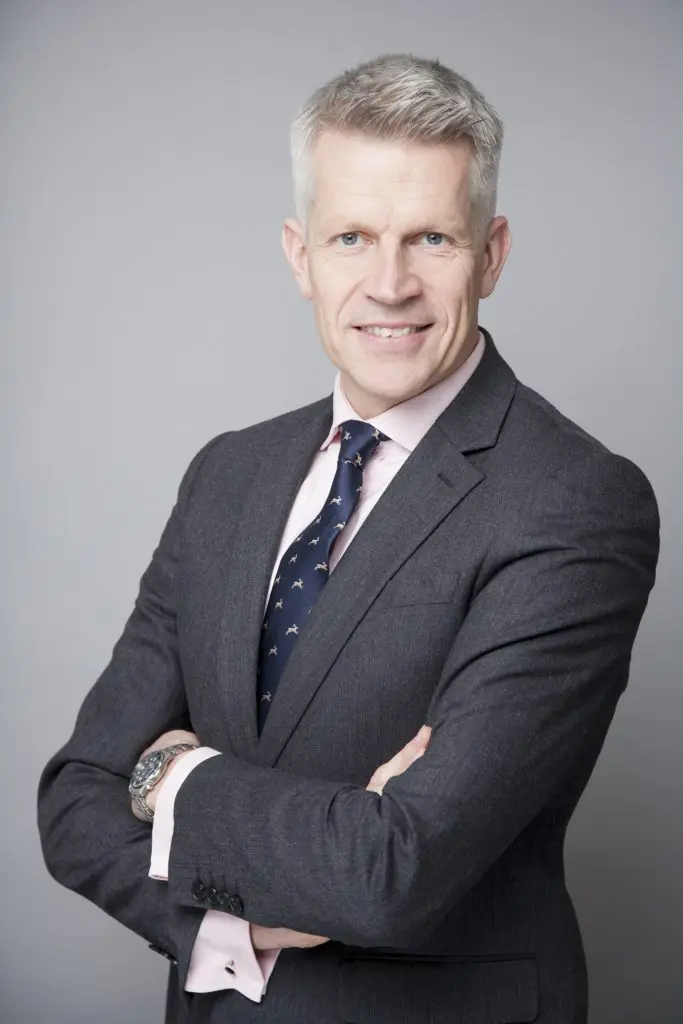
“We [The UK] don’t have the same square footage in meeting space as other countries,” says Jason Carruthers, managing director of the hospitality group Jurys Inn. “We would be the third of the size of Germany relative to the meeting space available in the UK but we are the fifth largest economy in the world. It is disproportionate and that to me is the crux of the issue.”
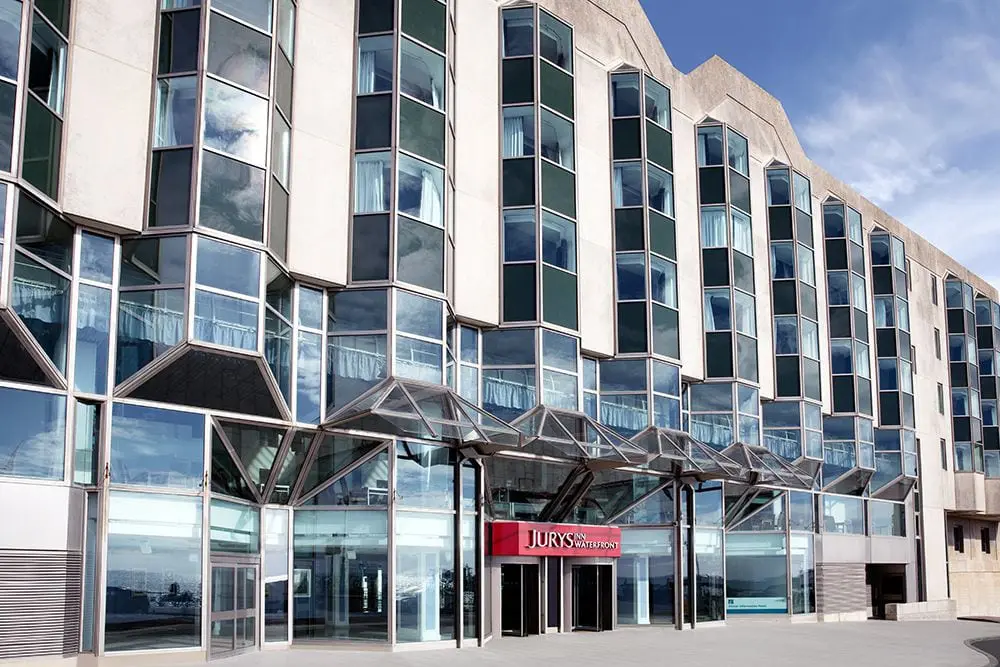
Jurys Inn has invested heavily into the MICE market offering by integrating specialised meetings and events properties into its network. “We added nine hotels into Jury’s Inn’s portfolio in 2015,” Carruthers says, “and invested £75m into those properties in addition to some refurbishment of the existing estate.” He says the nine hotels are “very meeting and events orientated in terms of the mix of the business that they enjoy”, and as a consequence, the group has increased its meetings and events space available to use by 61%.
So for a segment of the hospitality industry thought to be worth £18bn worth of revenue annually, why are we falling behind?
Lagging behind Europe?
Carruthers explains that one of the main reasons for the UK’s trailing position in a wider European context is a lack of convention centre capacity. “Other European capitals such as Barcelona, Amsterdam and Vienna,” he says, “all offer a wide range of large convention centres, making it difficult for the UK to truly compete due to its current limitation of conferencing and meeting venues.
“Many of the M&E players on the continent have taken the needs of conferencing planners to heart, covering their basic requirements of capacity, access, infrastructure and security, whilst offering good value and wider appeal such as good weather, attractive locations and high quality continental hotels.”
He goes on to continue to explain that it is down to the hoteliers themselves to try and force some change to the current state of the market, and hints that it ought to be part of the mission of the various trade bodies to apply pressure to government both centrally and at the local level, to reverse the trend and increase conferencing ‘stock’. “This is both at a hotel level and city congress as well. It is a challenge for us as an industry – what works really well at local level is if there is an active hoteliers association and an active marketing bureau in the city along with venues that campaign for more MICE business together. There are a few of those examples across the country so I am not suggesting that it doesn’t work now but we just don’t have the volume in comparison.”
To ease the burden on the most popular hubs, Carruthers thinks improvements to the relationship between business activity itself and the infrastructure and transport that are necessary. Incentives to airlines and rail networks, for instance – especially to and from airports for cities such as Leeds and Belfast, which have no rail links from the airport to their city centres.
Hilton as a market leader
One hotel chain that is doing particularly well in the MICE market, perhaps unsurprisingly, is hospitality giant Hilton, which on Cvent’s list boasted six properties. The reason? According to Anthony Worrall, senior regional director of F&B UK&ROI at Hilton, it’s a top-to-bottom emphasis the company puts on attracting that market.
“MICE business is a key segment for us, with the industry experiencing tremendous growth at the moment,” explains Worrall. “Our hotels are well equipped to cope with the rising demand, and we regularly conduct in-depth customer research in the MICE space so as to continuously improve the customer experience.
“Firstly, our hotels are situated in convenient locations, contributing to the fact that we are the number one brand of choice for meetings in the UK. Our customers trust us, and know that by booking with Hilton, their meeting is in great hands with our experienced team members. Our extensive research found that meetings bookers are also looking for inspiring meetings and events, so we took this feedback on board and have created a menu of enriching experiences available at each of our hotels.”
Potential for independents to challenge in the market
Whilst large chain hotels continue to top the league as UK event planners’ first choice of venue, the competitive gap between independent venues and well-known hotel chains has narrowed considerably, according to an additional study by Cvent. The ‘2018 Global Planner Sourcing Report’ found a greater desire to deliver more unique onsite experiences for event attendees. The study reported that business planners are actively looking at a wider variety of venues to host their events with a quarter of UK planners (25%) booking independent hotels compared with just under a third (29%) opting to book large chain hotels.
James Bland, director for hotels and hospitality at independent research consultancy BDRC also agrees that big name chains do not necessarily have a a complete stranglehold over the market. “Brand is less important for businesses booking meeting spaces, if a smaller independent hotel is the best facility for the job then it will get the booking. It does not mean [brand] is unimportant, but if there is good quality meeting space unbranded then that is not a barrier. Good quality independent products should always do well if they have the route to market.”
Untapped potential
On a national level the market can and should reach the level that will enable the UK to compete on a global stage, believes Carruthers. “The Fattal Group with Leonardo, which we are a part of, have a significant foothold in Germany and there is a significant difference between the city congress and events business that they enjoy as a percentage of their overall room segmentation than we do in the UK.
“I think it was quite a surprise to them because they are use to cities like Munich, Hamburg and Berlin that have great convention centres and are well established on the international stage. We could be there with those cities and rest of Europe. If you look at our capacity compared to France and then you look at the size of our economy or contribution on a GDP level they are more than double the size of the UK in terms of meeting space.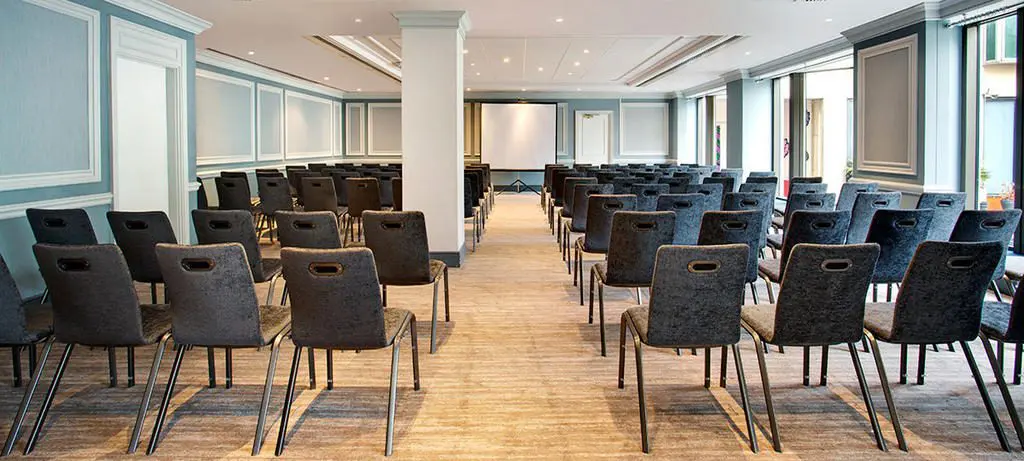
“I see no reason why we couldn’t be at that level and to show some ambition in some of the cities outside of London and follow the example set in Liverpool. If that could just be replicated in other key cities in the UK – that is the goal.”