





































In the hotel industry, prospective property owners are faced with a myriad of lodging options to choose from and propose to their customer base. Each type of accommodation, whether it’s a chain hotel, resort, inn/bed and breakfast, or boutique hotel, presents its own set of advantages and disadvantages that hoteliers need to consider.
Furthermore, the geographical context adds another layer to this decision-making process. Understanding the unique opportunities and challenges presented by urban, rural, and coastal settings is therefore crucial for hoteliers to effectively manage their properties and maximise revenue.
Chain hotels
In the UK, chain hotels are known for their reliability and consistency, thanks to their association with well-established brands. As hoteliers, partnering with a renowned chain brings immediate brand recognition and access to resources like centralised marketing strategies and loyalty programmes. This affiliation often results in a steady flow of guests, boosting occupancy rates and revenue.
However, the standardised nature of chain hotels can have drawbacks. Finding the right balance between maintaining consistency and embracing local charm can be a challenge, especially in culturally rich destinations. Moreover, stringent brand protocols can restrict managerial flexibility, impeding the ability to innovate and adapt to the specific demands of the local market.
In urban areas like London or Manchester, chain hotels are popular among business travellers and tourists who appreciate the convenience and predictability they offer amidst the hustle and bustle of city life.
However, in rural villages or seaside towns, where authenticity and personalised service are valued more, chain hotels may face competition from boutique properties and inns that cater to a more “intimate” experience.
Resorts
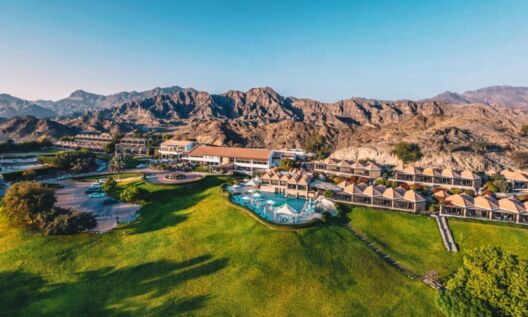
Resorts have been considered by many like havens, often nestled amid scenic landscapes or coastlines, offering guests a chance to escape from day-to-day routines and indulge. These places usually boast a wide range of amenities, from luxurious spas to recreational facilities, which attract visitors seeking all-encompassing experiences.
For hoteliers this type of property presents lucrative opportunities to increase revenue by offering additional activities and services on-site.
However, managing a resort comes with its challenges. The large size of the property means there are many operational complexities and high overhead costs involved. It takes careful planning and investment to maintain the grounds and manage all the facilities effectively.
In addition, the fluctuating seasons have a big impact, with peak periods seeing a surge in demand while off-peak times experience slower business. This requires property owners to be flexible with their revenue management strategies to make the most of these seasonal changes.
In the countryside particularly, resorts blend in with the tranquillity of nature, providing guests with an “escape” from the chaos of city life. On the other hand, seaside resorts can capitalise on the appeal of sunny beaches, attracting visitors looking for relaxation and recreation by the sea.
Being able to adapt to the seasonal shifts in tourism is key, with peak times determining the pricing strategies and staffing levels to meet demand effectively.
Inns/Bed and Breakfasts
In the UK, inns and bed and breakfasts embody a more intimate hospitality experience, often surprising travellers with their welcoming ambiance. These accommodations offer more than just a place to stay —they provide guests with a genuine sense of warmth that leaves a lasting impression.
The charm of inns and bed and breakfasts lies in their ability to cultivate a “home-like atmosphere”. Whether it’s a friendly welcome at the door, a fireplace in the common area, or a homemade breakfast, every detail should be carefully curated to enhance the guest experience. This personalised approach not only fosters loyalty among guests but also generates better reviews and recommendations to friends and family.
However, these properties often have limited capacity and resources, requiring careful management of inventory and staffing to ensure smooth operations. From managing room bookings to coordinating breakfast service and housekeeping, every aspect of the business requires meticulous attention to detail.
Moreover, unlike larger hotel chains with established brand recognition, inns and bed and breakfasts often rely on grassroots marketing efforts to attract guests. From engaging with the local community to using social media platforms and online review sites, hoteliers must be proactive in promoting their property and creating visibility in a competitive market.
In countryside settings, inns offer a unique appeal that resonates with guests seeking a serene retreat from urban life. Moreover, the rural charm of countryside inns presents hoteliers with a distinctive selling point — by highlighting the peaceful ambiance and natural attractions of the surrounding area, hoteliers can attract guests looking for a peaceful getaway. Whether it’s promoting scenic walking trails, outdoor activities, or simply the opportunity to relax in a calm environment, countryside inns can cater to a niche market of guests seeking an escape to nature.
Conversely, in vibrant urban settings inns can offer a distinct advantage by tapping into the charm of cultural immersion and authentic experiences. By highlighting the proximity to historic neighbourhoods, iconic landmarks, and renowned dining establishments, hoteliers can appeal to travellers with a desire for exploration. Additionally, by forging relationships with local businesses, cultural organisations, and tourism authorities, hoteliers can tap into a network of resources and promotional opportunities to enhance the visibility and appeal of their property.
Boutique hotels
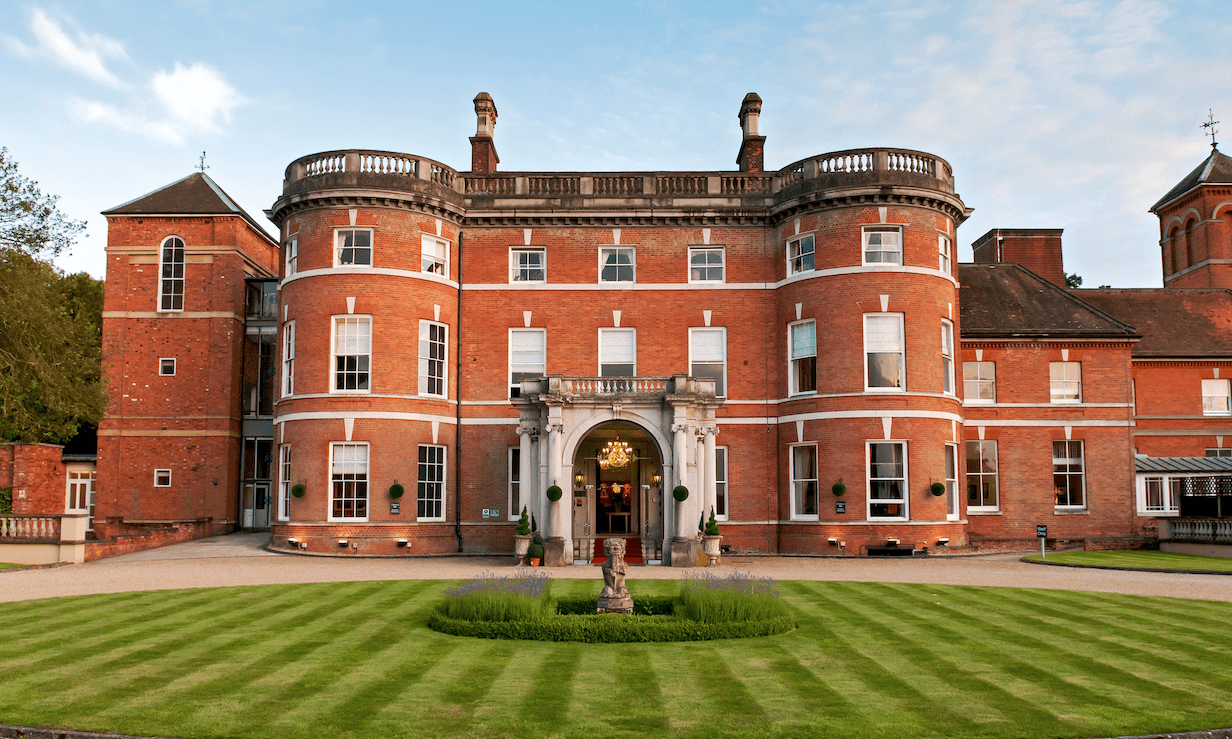
Boutique hotels are all about showcasing personality and character, standing out from the crowd by creating immersive experiences for guests. With this type of property hoteliers have the opportunity to be creative and unique, adding their own personality and design aesthetics into every aspect of the guest experience.
However, running a boutique hotel requires a careful balance between creativity and financial sustainability. While crafting bespoke guest experiences seems convenient, it also requires investment in amenities and programming that may strain budgets. Additionally, in a rapidly evolving industry, maintaining a consistent brand identity while staying innovative and relevant is essential.
From a hotelier’s perspective, boutique hotels in urban settings offer a strategic advantage by providing travellers with a personalised experience that sets them apart from larger hotel chains. In cities like London or Edinburgh, where competition is fierce, boutique hotels can carve out niches by offering urban sanctuaries for travellers seeking something beyond the ordinary. Additionally, boutique hotels have the flexibility to adapt quickly to changing trends and guest preferences, allowing property owners to stay ahead of the curve in a dynamic urban environment and rapidly enhance the guest experience.
On the other hand, in coastal and rural areas, boutique hotels embrace the natural beauty of their surroundings, offering guests immersive experiences rooted in exploration. Whether it’s a countryside retreat or a secluded farmhouse, these properties have the opportunity to leverage outdoor activities and local attractions to enhance the guest experience, from hiking and biking trails to wildlife excursions and farm-to-table dining experiences.
When navigating different hotel properties, hoteliers are faced with endless possibilities. From the reliability of chain hotels to the intimate dimension of inns and boutique hotels, each lodging type bears its unique advantages and disadvantages.
Furthermore, the geographical context enhances this diversity, as urban, rural, and coastal settings offer unique opportunities for hoteliers to create immersive guest experiences. By embracing innovation, prioritising authenticity, and adeptly navigating market dynamics, hoteliers can unlock the full potential of whichever property they decide to focus on.