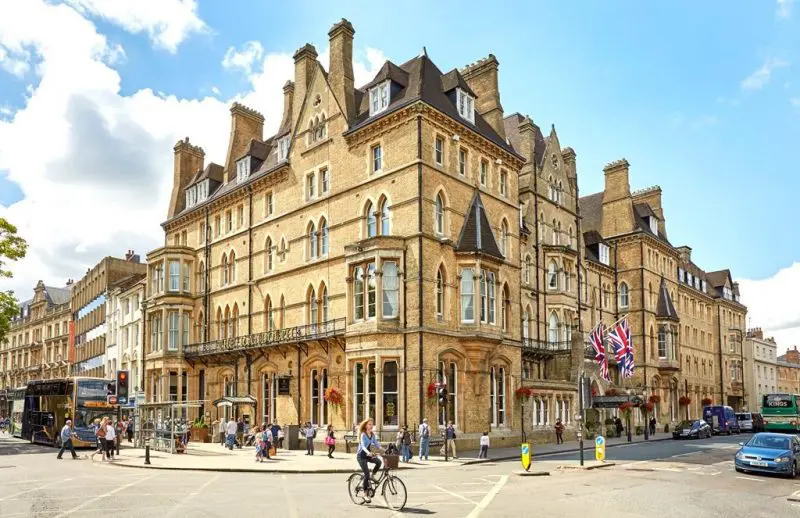









































Refurbishing a hotel in the UK post-planning permission demands comprehensive planning, meticulous execution, and adept management of various stakeholders. The process entails more than mere cosmetic enhancements; it needs a strategic approach aimed at revitalising the building, enriching guest experiences, and maintaining competitiveness in the dynamic hospitality industry.
At the outset, it is imperative to grasp the significance of refurbishment beyond surface-level improvements. Not only does it contribute to the aesthetic appeal of the property, but it also serves as a means to elevate guest satisfaction, augment operational efficiency, and drive revenue growth. Moreover, refurbishment presents an opportune moment to integrate sustainable practices, ensuring environmental responsibility while enhancing the property’s reputation.
The plan
Setting clear objectives is paramount to the success of any refurbishment project. By conducting a thorough market analysis and a SWOT assessment, hotel owners can identify areas for improvement and define specific, achievable goals. Whether the aim is to modernise facilities, reposition the hotel in the market, or enhance accessibility, clarity in objectives guides decision-making throughout the project lifecycle.
A meticulously crafted plan serves as the roadmap for the refurbishment, working out timelines, budget allocations, and resource requirements. A good project manager equipped with hospitality refurbishment expertise ensures efficient coordination among architects, contractors, and designers. Effective project management not only mitigates risks but also safeguards against costly delays and disruptions.
Securing financing constitutes a critical aspect of refurbishment planning, necessitating a comprehensive assessment of funding options, financial projections, and risk mitigation strategies. From traditional bank loans to exploring alternative financing models such as equity partnerships or government grants, hotel owners must evaluate the feasibility of each option and develop a robust financial plan tailored to the unique requirements of the refurbishment project. Moreover, prudent budgeting, ongoing cost monitoring, and contingency planning are essential to safeguard against unforeseen expenses and maintain financial stability throughout the refurbishment process.
Executing the plan
Design selection is instrumental in shaping the ambiance and character of the refurbished hotel. Collaborating with seasoned interior designers facilitates the development of design concepts aligned with the hotel’s brand identity and target demographic. Careful consideration of colour schemes, furnishings, and amenities ensures a cohesive and inviting atmosphere that resonates with guests.
Navigating the regulatory landscape entails obtaining necessary permits, approvals, and compliance certifications from local authorities, regulatory agencies, and industry bodies. Whether it involves securing planning permission, building permits, fire safety certificates, or environmental clearances, hotel owners must navigate regulatory requirements with precision and diligence to ensure legal compliance and minimise the risk of project delays or penalties. Moreover, proactive engagement with regulatory authorities, transparent communication, and adherence to best practices in environmental sustainability and safety standards are essential to building trust and credibility within the community and regulatory ecosystem.
Moreover, engaging with the local community is integral to building trust, garnering support, and mitigating potential risks associated with the refurbishment project. Through proactive community engagement initiatives, including public consultations, stakeholder dialogues, and community outreach programs, hotel owners can address concerns, solicit feedback, and build consensus around the refurbishment project. Furthermore, fostering partnerships with local businesses, artisans, and cultural institutions not only stimulates the local economy but also enriches the guest experience by showcasing the destination’s unique heritage, culture, and culinary traditions.
Integrating sustainable practices underscores the commitment to environmental stewardship while enhancing operational efficiency. Incorporating energy-efficient technologies, water-saving fixtures, and eco-friendly materials reduces the hotel’s ecological footprint and appeals to environmentally conscious guests. Furthermore, stakeholder engagement fosters community support and promotes responsible business practices.
Managing construction and renovation entails overseeing the execution of refurbishment plans, coordinating subcontractors, suppliers, and onsite personnel, and ensuring adherence to quality standards, safety protocols, and project timelines. From site preparation and demolition to structural enhancements, interior renovations, and finishing touches, effective project management is essential to minimise disruptions, optimise resource allocation, and deliver the project within budget and schedule.
Moreover, implementing robust quality control measures, conducting regular site inspections, and fostering open communication among stakeholders foster a culture of accountability, collaboration, and excellence, thereby ensuring the successful execution of the refurbishment project.
Testing and quality assurance are critical to verifying the functionality, safety, and compliance of newly installed systems, equipment, and amenities. Through comprehensive testing protocols, including mechanical, electrical, plumbing, and fire safety tests, hotel owners can identify and rectify any defects or deficiencies promptly, ensuring the property’s readiness for guest occupancy.
Furthermore, conducting performance assessments, energy audits, and sustainability certifications validate the property’s adherence to quality standards, regulatory requirements, and sustainability benchmarks, thereby enhancing its market competitiveness and guest appeal.
Marketing and promotion mark the culmination of the refurbishment journey, heralding the reintroduction of the hotel to the market. By crafting a compelling brand narrative, leveraging digital marketing channels, and orchestrating targeted promotional campaigns, hotel owners can generate excitement, build anticipation, and drive demand for the refurbished property. Moreover, engaging with past, current, and prospective guests through personalised communications, loyalty programs, and experiential marketing initiatives fosters brand loyalty, enhances guest engagement, and stimulates repeat business.