



























Register to get 3 free articles
Register to unlock the article and receive our free newsletter. Join 26,000 other hotel leaders and stay in the know.
Want unlimited access? View Plans
Already have an account? Sign in
- The definition of technology is science or knowledge put into practical use to solve problems or invent useful tools.
- Definition of overkill: much more of something than is needed, resulting in less effectiveness.
I purposely included the two definitions above so as to give pause to think about the way technology is increasingly impacting our lives and the way we live them. At home we can choose to limit or increase the pace by which we introduce technology to our place of living, but outside we are not in a position to dictate this and are at the mercy of governments, big business, the web and everything in between. Even in our homes there are multiple ways that we are watched, our habits dissected and our conversations being listened to.
So when we choose to travel, what is the limit of technology that we want to find at the chosen place of lodging? Of course this depends to a large extent to which generation each of us belong, with the younger among us expecting to be able to find almost total automation within the ‘nearish’ future. Given the incredibly fast paced technological advances I have witnessed over my career, that may be a reality sooner rather than later.
You do not have to travel that far back in time to when the only piece of technology in the hotel room was the telephone and a black and white television set broadcasting a limited set of channels until the advent of cable. Of course many readers will not be familiar with the times I am talking about, but they will also not know what a tele printer was, an IBM golf ball typewriter or even remember the time that cellphones did not exist. It is hard to imagine that many people actually wrote letters in handwriting.
So we have gone from the technological ‘stone age’ to an era when advances and inventions are making our lives so much easier and more comfortable every day. Many of the inventions are designed to make life easier, and many are designed to take the place of humans in factories, offices and places of business across the world. With payroll becoming burdensome the race is on to eliminate as many humans as possible, and hotels are not different in their approach.
Yet the more advances introduced into hotels, the more similar they each become. The vast majority of what I call ‘cookie cutter’ hotels that clog cities and highways are almost identical in terms of their buildings, size and even interiors. Check into one of these hotels, enter the room, draw the curtains and you could be in any brand hotel anywhere in the world. So why travel when the destination hotel room is the same as here at home, where the streets are full of stores like Gap, H&M, McDonalds, Burger King – the list is never ending. We are into the cookie cutter cities era in many ways.
According to one Travel Industry survey in 2017, the business mix in total sales accounted for almost 25% of travel, while there was also a large overlap of business travellers adding leisure to their trips. In order to accommodate the needs of the modern business traveller, hotels have incorporated leading technology into the rooms. The modern hotel room has become a communications and entertainment hub from which the businessman can make a virtual office away from the office.
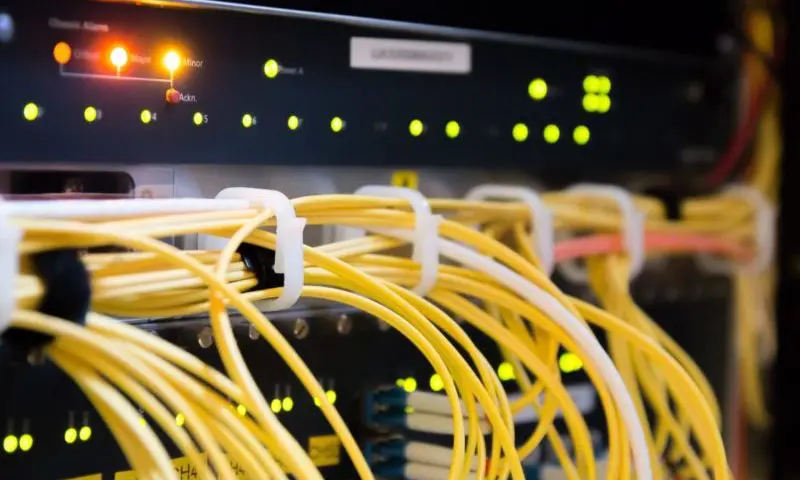
Personal cable choices can be viewed on the TV, high speed internet allows for quick downloading and uploading, video conference calls are a daily occurrence, personal infotainment is automated by computer plugin, and everything necessary in information is just a button away. Certain hotels have even installed framed screens that are similar to pictures and that can display the art that the guest chooses.
The rest of the room is also automated to various extents. Curtains are controlled by motors, lighting is not only dimmable but ambient colors can be selected. A/C is remote controlled and the same tablet gives you everything from weather forecasts to your current bill and from restaurant reservations to booking shows and everything in between.
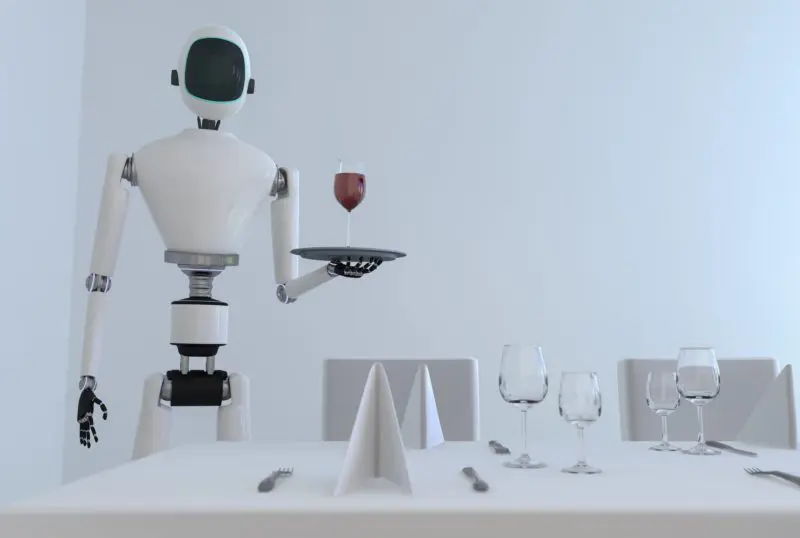
Automated check-in is commonplace and room keys will soon all be on your cellphone. Receptionists will be history, and room service robots will deliver your menu choices. Can’t find an answer on your laptop? ‘Google Home’ and ‘Amazon Alexa’ will answer every question. What is next? Automated barmen pouring your drink? There are already automatic burger flippers in use, so will your breakfast be cooked by a robot? Probably.
The big brands, in their attempt to capture the largest market share, introduce cutting edge technology as soon as it is practical, and they have the deep pockets to do this across their brands. Many franchise owners are also feeling the pinch as the brands demand the introduction of these new technologies.
At the end of the day, just as so many of these new hotels are almost identical, so will the technology that is stuffed into their rooms. The more things change the more they stay the same. Choosing one hotel room over another may just be a question of loyalty programs, not loyalty itself.
Yet in all this the one thing that has been lost sight of is ‘differentiation’. The Millennial traveller is looking for something beyond the normal hotel, something beyond the technology offered in the cookie cutter hotels across the globe. They are looking to find the things that are important to them, values that are beyond technology and supreme automation. Independent hotels that forge a clear and different identity, story and theme are becoming more lodgings of choice.
Community involvement and support, local procurement and employment are important, as is environmental support. They want to find cultural diversity in the staff, not robots. They want to experience the community reflected in the staff that serves them, and are willing to pay for this difference.
So, while technology is important to a certain degree, it will in the end not be the deciding factor that brings guests through the door on a constant basis. What goes around comes around, and the ‘human’ factor is no different.