



































The staycation trend has seen an unprecedented surge in popularity, particularly in the wake of global events that have restricted international travel, particularly due to the covid-19 pandemic.
A staycation, a combination of the words “stay” and “vacation,” involves vacationing within one’s home country rather than travelling abroad. The appeal lies in the convenience, reduced travel costs, and the opportunity to explore local attractions that might otherwise be overlooked.
It is estimated that in 2021 alone, domestic travel accounted for 96% of the UK’s total travel and tourism expenditure while two years prior, in 2019, it represented 81% of the total expenditure.
In 2023, the share of Britons taking a domestic summer holiday, or staycation, in the UK increased by 50% compared to the previous year. According to a survey by Statista, 63% of the respondents planned a staycation in 2023, while about 42% of Britons did the same in 2022.
Although international travel regulations have largely normalised since the onset of the pandemic, staycations are expected to continue being a significant component of the travel sector in the United Kingdom. For UK hotels, this represents a golden opportunity to capitalise on the ever-increasing domestic tourism market.
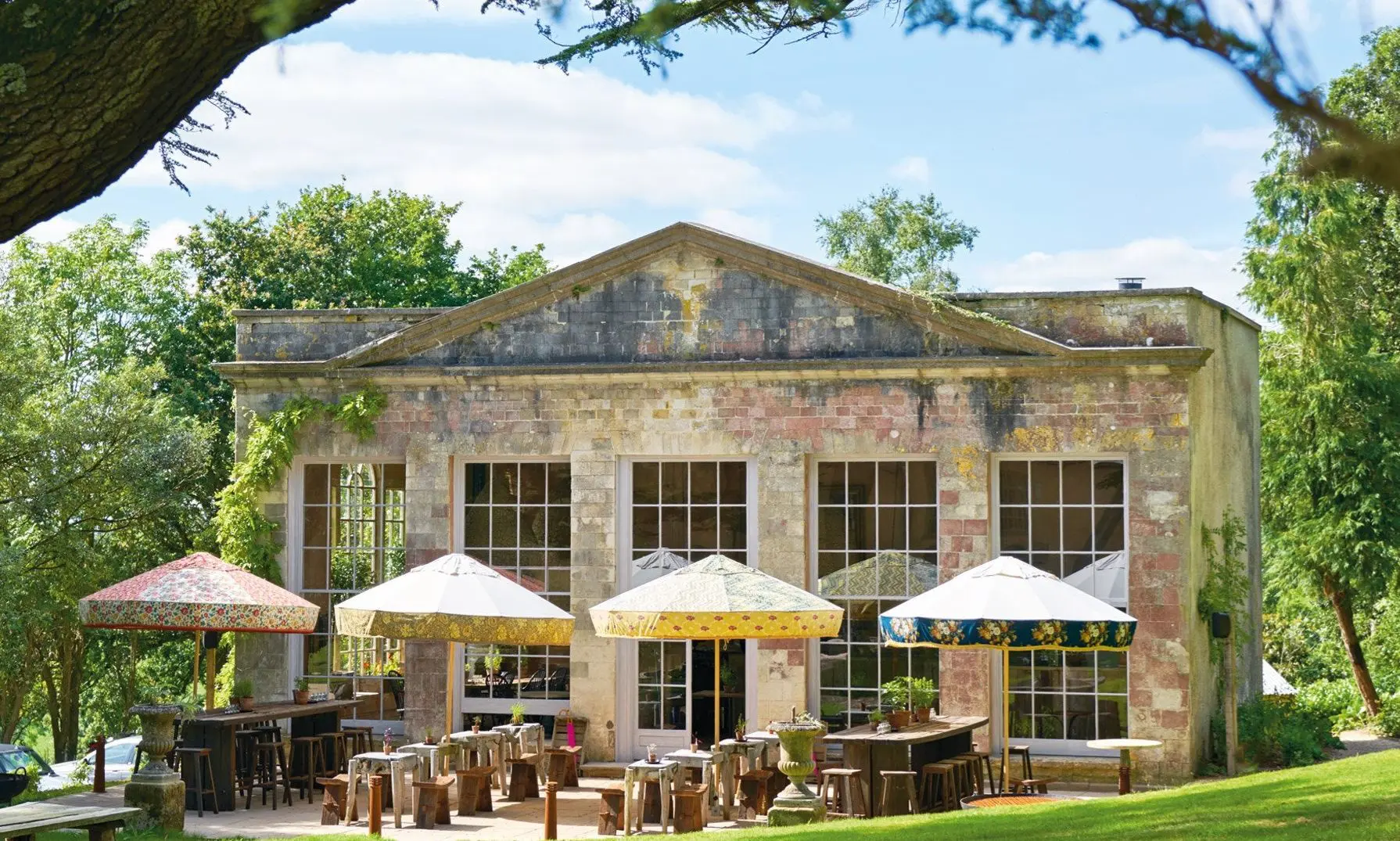
By offering unique local experiences and fostering collaborations with local businesses, hotels can create compelling staycation packages that appeal to a wide range of domestic travellers.
Here’s how hotels can leverage this trend to their advantage:
Highlighting local attractions and experiences
To attract domestic tourists, hotels should emphasise the unique attractions and experiences available in their vicinity. This could include historical landmarks, natural beauty spots, cultural events, and local cuisine. By partnering with local tour operators, museums, and cultural centres, hotels can offer exclusive packages that provide guests with a deeper connection to the region.
For instance, a hotel in Cornwall could collaborate with local surf schools to offer surf lessons as part of their staycation package, or a hotel in the Lake District could arrange guided hikes and boat trips on the region’s famous lakes. These bespoke experiences not only enhance the guest’s stay but also support the local economy.
Collaborations with local businesses
Creating partnerships with local businesses can significantly enhance the appeal of a staycation package. Hotels can team up with local restaurants, breweries, artisan shops, and farmers’ markets to offer guests a taste of local flavour. For example, a hotel might offer a “Gourmet Getaway” package that includes a stay, a tour of a nearby vineyard, and a meal at a local farm-to-table restaurant.
These collaborations provide mutual benefits — hotels can enhance their offerings without significantly increasing their overheads, and local businesses gain exposure to a wider audience. Moreover, these partnerships can help create a sense of community and support for the local economy, which is particularly appealing to socially conscious travellers.
Enhancing in-house experiences
In addition to external partnerships, hotels should focus on enhancing their in-house experiences. This includes upgrading amenities, offering locally-inspired spa treatments, and organising events such as cooking classes featuring regional dishes or storytelling sessions about the area’s history and folklore.
Incorporating elements of local culture into the hotel’s design and decor can also enrich the guest experience. Using local materials, showcasing local art, and providing literature about the region in guest rooms can all contribute to a more immersive staycation experience.
Flexible and personalised packages
Modern travellers value flexibility and personalisation. Hotels can capitalise on this by offering customisable staycation packages that cater to different interests and budgets.
For instance, some guests might be looking for a luxury retreat with spa treatments and gourmet dining, while others might prefer a family-friendly adventure with outdoor activities and educational experiences for children.
Providing options for add-ons and upgrades can also enhance the appeal of a staycation package. This could include pet-friendly services, romantic touches for couples, or wellness programmes focusing on yoga and meditation.
Marketing strategies for domestic tourism
To effectively market these staycation offerings, hotels need to adopt a multi-faceted approach that includes both digital and traditional marketing strategies.
-
leveraging social media and influencer partnerships:
Social media is a powerful tool for reaching potential guests. Hotels can use platforms like Instagram, Facebook, and Twitter to showcase their staycation packages, share guest testimonials, and highlight local attractions. Partnering with local influencers who can authentically promote the hotel’s offerings can also help attract a dedicated following.
-
targeted digital advertising:
Using targeted digital advertising can help hotels reach specific demographics. By utilising data analytics and insights, hotels can identify potential guests who have shown interest in domestic travel and tailor their ads to these audiences. Retargeting campaigns can remind previous guests of the great experiences they had and encourage repeat visits.
-
content marketing and SEO
Creating engaging content that highlights the unique aspects of the hotel and its surroundings can attract traffic to the hotel’s website. This could include blog posts about local attractions, video tours of the hotel and its amenities, and guest blogs featuring local experts. Optimising this content for search engines can help ensure that it reaches the right audience.
-
loyalty programmes and special offers
Encouraging repeat visits through loyalty programs and special offers can build a loyal customer base. Hotels can offer discounts for return stays, referral bonuses, and exclusive perks for loyalty program members. Special offers such as “Book three nights, get the fourth half price” can also entice guests to extend their stay.
-
emphasising safety and flexibility
Given the ongoing concerns about health and safety, hotels must emphasise their commitment to cleanliness and guest well-being. Clear communication about the measures being taken to ensure a safe environment, such as enhanced cleaning protocols and contactless check-in options, can reassure potential guests.
Flexibility in booking policies is also crucial. Offering free cancellations and the ability to reschedule stays can give guests the confidence to book their staycation without fear of losing money if their plans change.
The staycation trend represents a significant opportunity for UK hotels to tap into the domestic tourism market. By focusing on local experiences, collaborating with local businesses, enhancing in-house offerings, and adopting effective marketing strategies, hotels can attract a wide range of travellers. As the staycation trend continues to grow, those hotels that innovate and adapt will be well-positioned to thrive in the new era of domestic tourism.