













Register to get 3 free articles
Register to unlock the article and receive our free newsletter. Join 26,000 other hotel leaders and stay in the know.
Want unlimited access? View Plans
Already have an account? Sign in
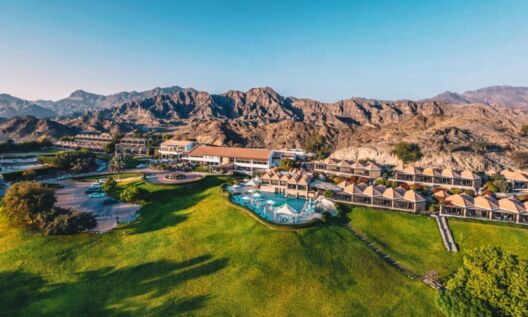
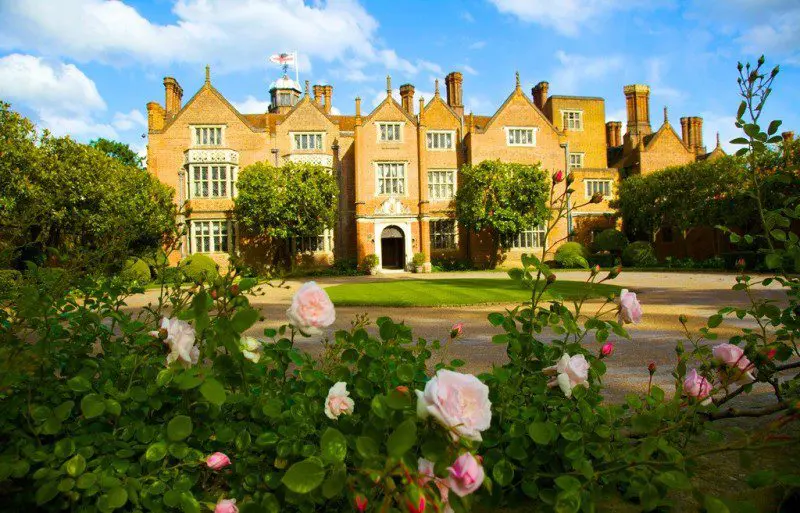
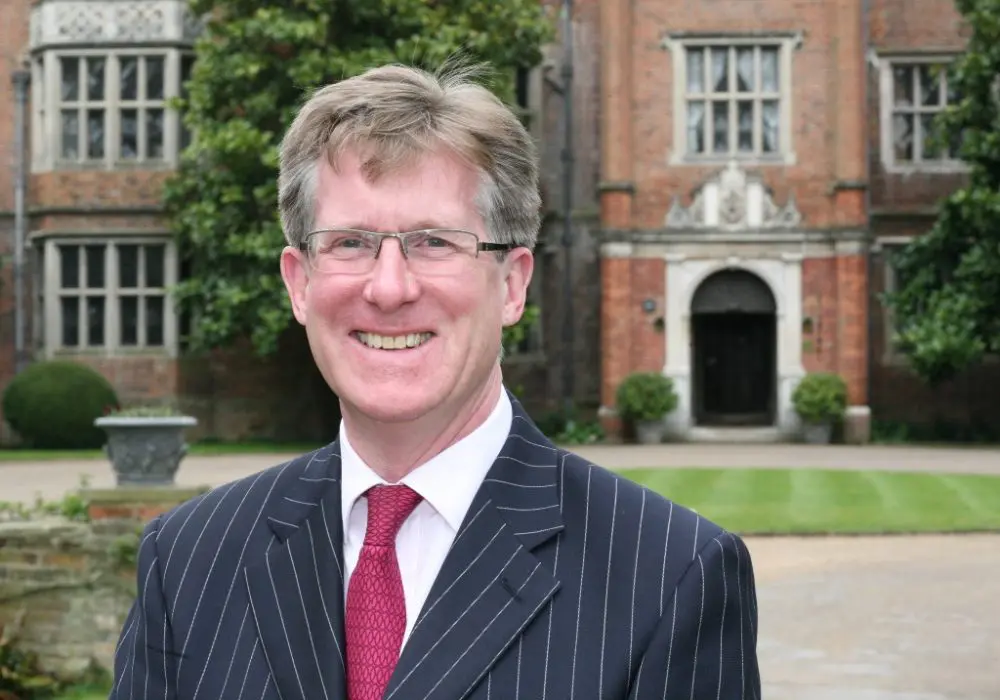
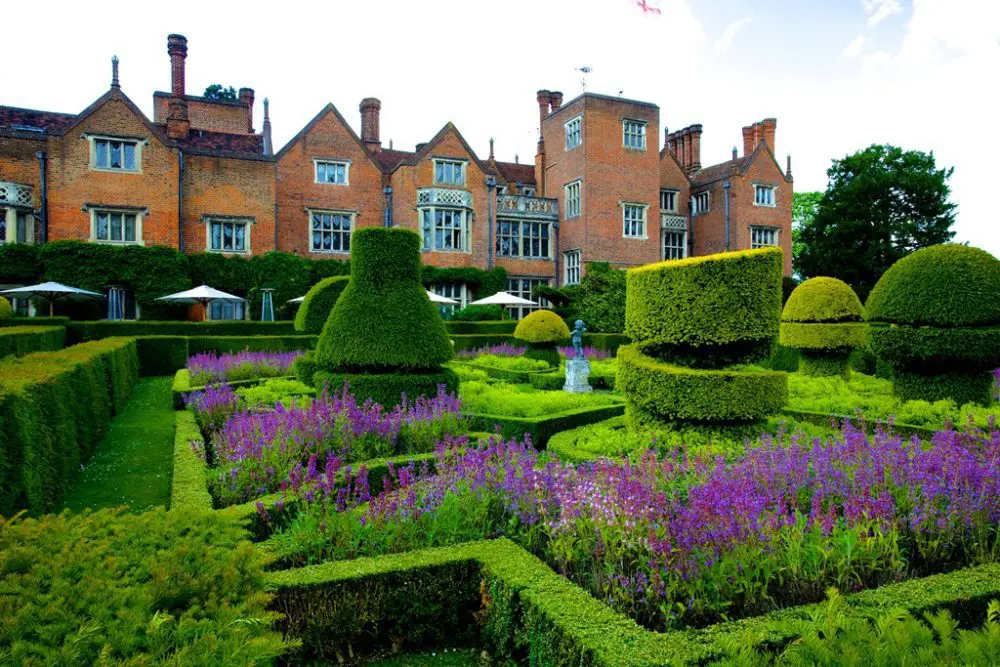
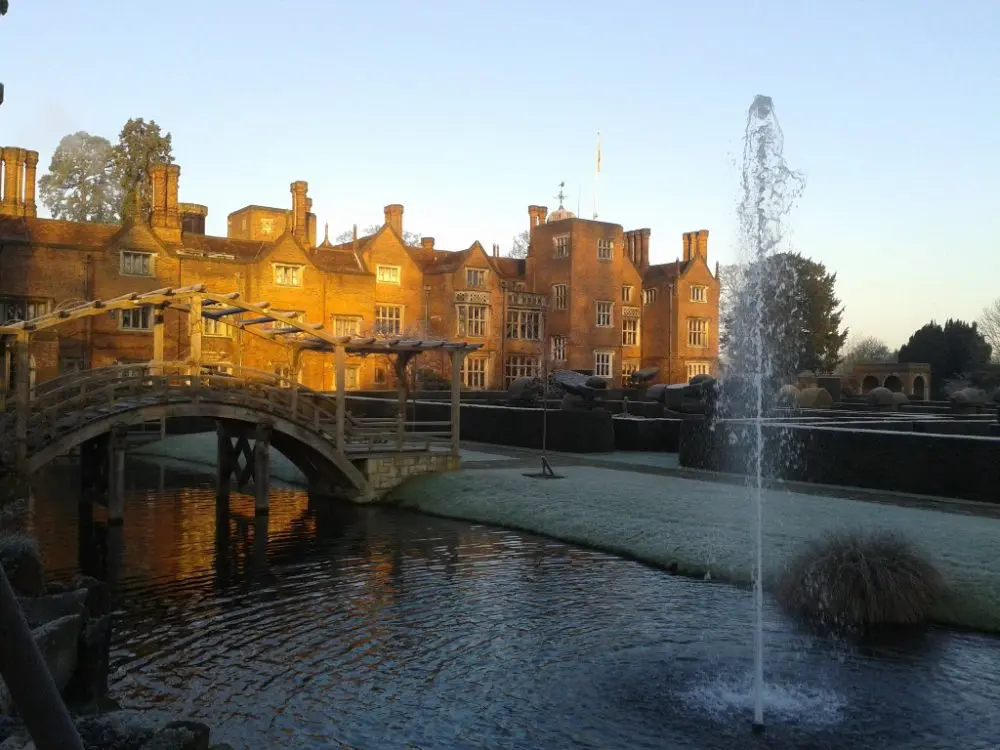
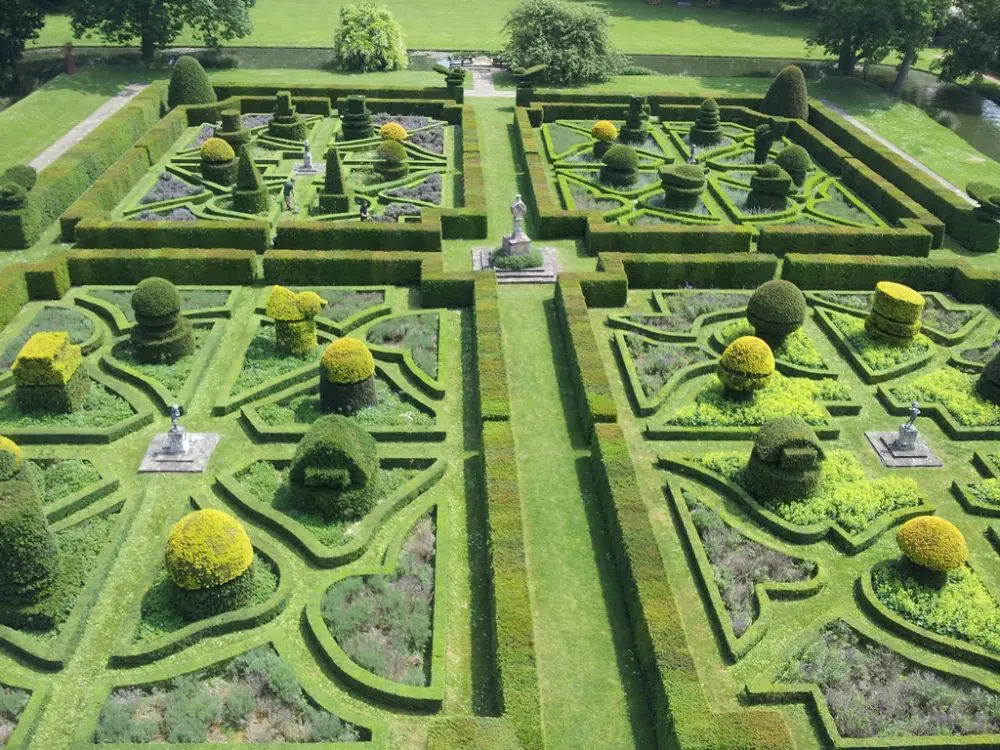
Owned by the Sutcliffe family, Great Fosters Hotel is a Grade I listed building set amongst 50 acres of gardens and parkland in Egham, Surrey. TOM DAVIS caught up with managing director Richard Young to learn more about its unique offering
Tell me about the history of the hotel and how you came to work at Great Fosters?
Great Fosters is a Tudor building, it was originally built in around 1550 as a royal hunting lodge, and is very conveniently situated between Hampton Court and Windsor Castle. It was used by Elizabeth I for this purpose and then went through a variety of different owners. From Edward Knight (who was Jane Austen’s brother), it was home
to the Percy family, the Earl of Northumberland. During the late 18th Century it was a lunatic asylum, where the rich and famous used to come to recover from a variety of mental illnesses. It then fell into disrepair and by about 1920 it was basically derelict. It was then bought by one Gerald Montagu who turned it into a very smart home, but after he fell on hard times he opened it as a hotel in the late ‘20s. It was then bought by my chairman’s grandfather in 1930 who continued running it as a hotel. It is still owned by the Sutcliffes today.
I ran a property for a number of years called Lords of the Manor, which is in Upper Slaughter. I was approached by my current chairman’s father, John Sutcliffe, as to whether I would consider coming back to work at Great Fosters and to take over from my predecessor who had been here for about 35 years.
I had worked at Great Fosters as a junior manager back in around 1981, and they were looking for a replacement, somebody who could perhaps take Great Fosters to the next stage, someone who had some experience of developing a business plan. I put a development and business plan together back in 1998, which allowed us to go to the bank and borrow some money which we used as a catalyst to really start to develop the business and make quite a number of changes.
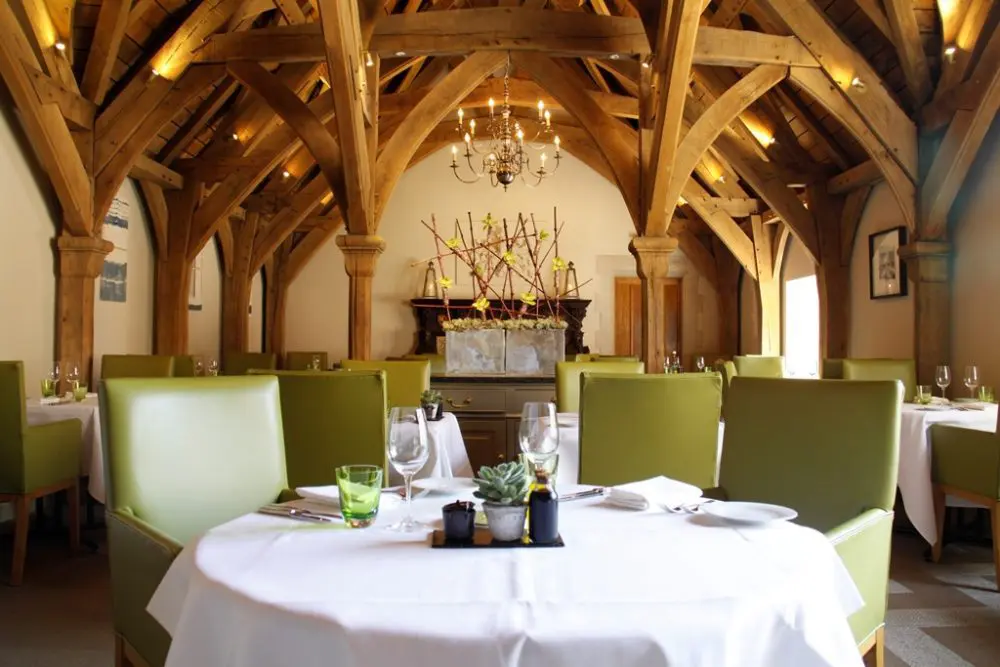
It fundamentally moved us away from what was a function-based business. We developed the the property by creating a new dining area, new kitchen, new entrances and walkways, new bars and toilets and all the infrastructure that was required to ensure that we could, as a hotel, run different strands of business alongside each other Comfortably.
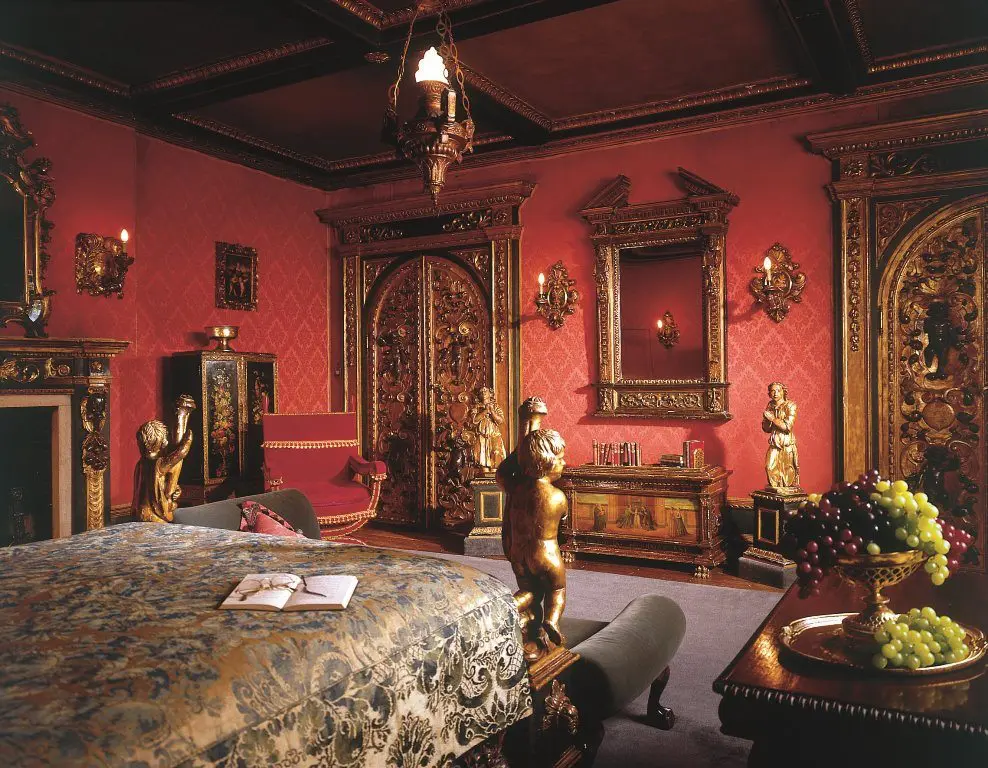
The bedrooms in the hotel are individually decorated. What was the inspiration behind these designs?
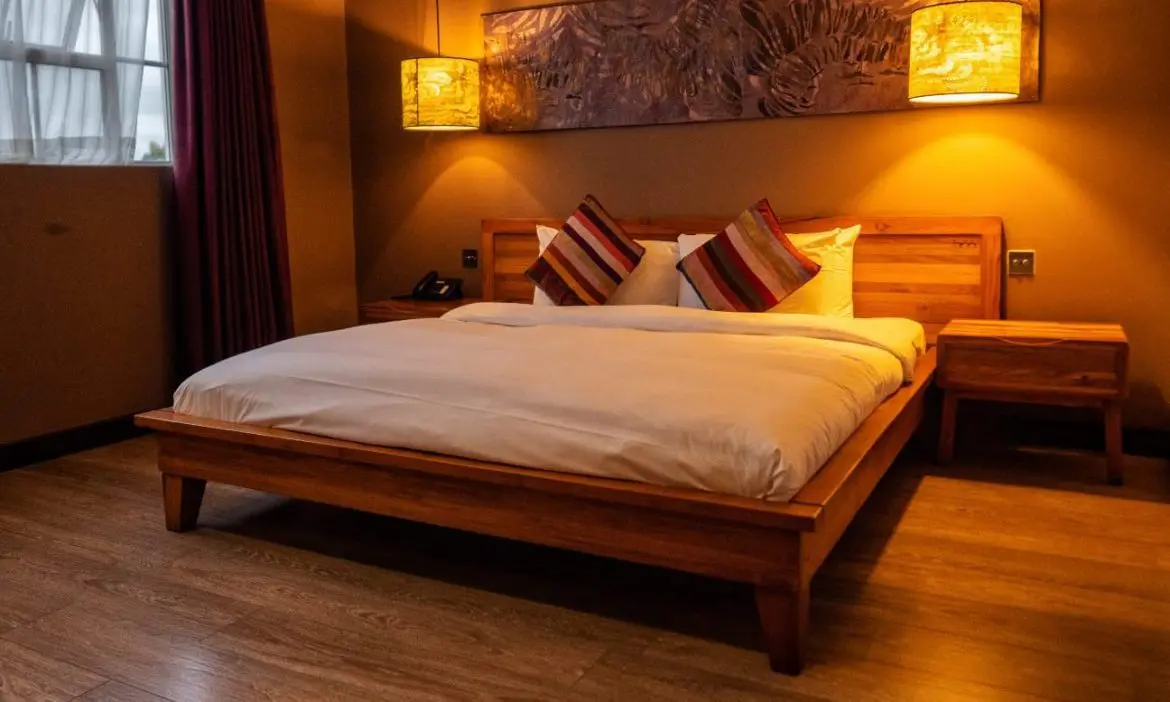
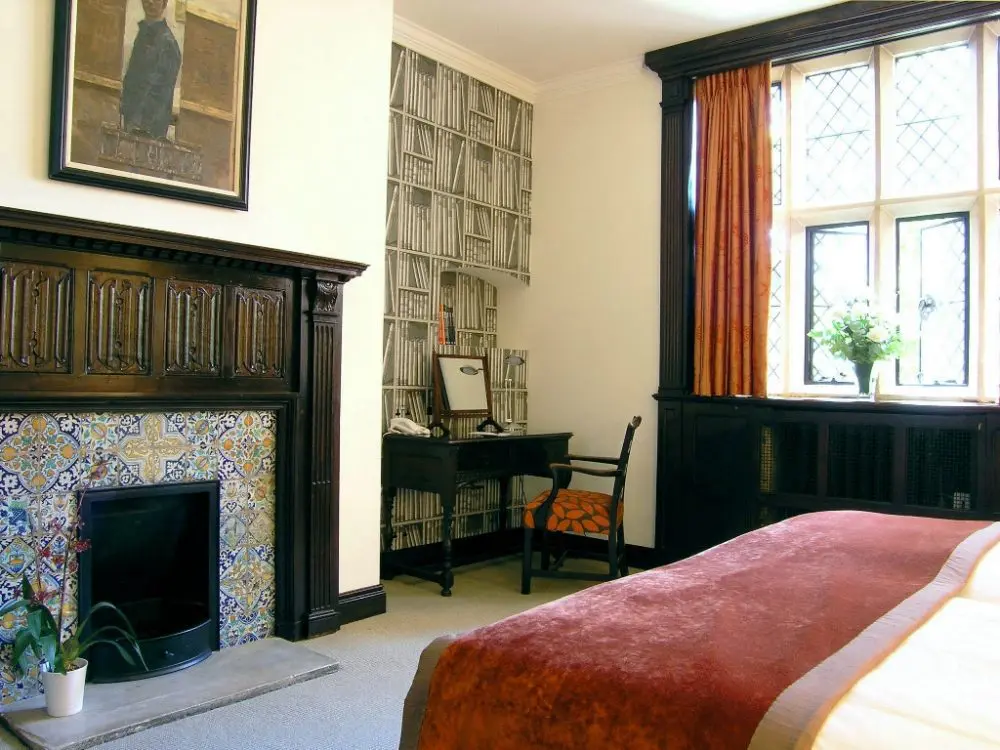
A lot of the first floor bedrooms are what we call ‘historic’ bedrooms – they’re rooted very much in the 1930’s. For example one of the rooms, ‘Italian’, is inspired by the fact that in 1920 somebody went over to Florence and collected antiques and various parts. The whole room is an antique show piece in many ways. A lot of the bedrooms are that grand cross between 1930s and Tudor design, and they’ve been there since the 30s. It has been a question of just slightly modernising, tweaking them, putting in modern bathrooms. I think that also what we have tried to do is, when you have a house this old with bedrooms that are very much antique driven, you try and just lighten them and modernise them a little bit.
In another section, which was an old 17th Century coach house which we gutted in 2009, we converted it from 23 very small, almost student-esque style study bedrooms, into nine rooms to make them much bigger. They are
contemporary rooms but we then put some older touches into them. You’ve got that juxtaposition, which is where the rooms are slightly more modern we have put some older things in them, while in the main house which is quite old, we have put some more modern things in them, so it balances out.
The hotel is located within 50 acres of landscape, but simultaneously close to London. What is the effect of this on the business?
If you were trying to put a mark on the map as to the best place to put a hotel, it would be pretty much here. On a good day we are just 10 minutes away from Heathrow Airport Terminal 5, and the rest of Heathrow is just 20 minutes away max. You have the M3, M4 and M25 nearby, and we are within 40 minutes of Central London by train, so it is incredibly well located. The whole M25, Slough, Reading corridor, is a real source of strong corporate business for us.
What type of guests visit Great Fosters?
We were very much a function-based business, and to some extent we still are. We host a huge number of weddings
each year, but in a controlled environment and a much more upmarket environment than it was maybe 15 years ago. The market spend is much higher, there is less of a discount policy, but what we also do is we try to balance the number of bedrooms we will give functions.
That allows us to have leisure guests, corporate business and residential meeting business staying with us at the same time. It is a real cross section, Monday to Thursday is mainly residential meeting and corporate stays, Thursday to Sunday is a lot of wedding guests but also mixed in with a lot of leisure business which makes sure we have a nice and busy vibrant restaurant, rather than just a busy and vibrant function space.
The hotel has great reviews, what is your strategy for maintaining that high standard?
I think there has to be a very proactive approach to service, and we work very strongly on understanding what our clients want and need. We don’t go necessarily out to try and grab lots of new clients, we try to concentrate on
existing clients while at the same time growing the business from within.
If we host a meeting one week and they come back to us the week after, we always try do things different and make things better, we’ve got to make sure that repeat clients see something new and interesting and it’s not just the same as it was the week before. This means we are always striving to improve. There is also a real emphasis on the type of people that we employ, and we want people who are very client-driven, have the right personality, and then we train them. Happy, smiley and pleasant staff, who can converse with the clients, and who are proactive rather than reactive. That is the key.
Rather unusually, the hotel grows its own vegetables and it also keeps its own bees and pigs. What do you think that adds to the guest experience?
We as a business are asset rich, but a slightly cash-poor business, the owners don’t put any money into the business. One of the strengths of what we’ve been trying to do here is to grow it sensibly and in a considered way. We don’t necessarily have the money to go and put a £10m spa on the side of it, and frankly we probably wouldn’t want to anyway. Therefore, we are always looking for small little add-ons that are going to provide interest, but also where we can see some sort of return on investment.
We bought a second-hand glasshouse from Holland, we have developed a very good relationship with a local lady
who required land for some of her animals and she helps to grow our vegetables and fruit, and also to tend to our animals. I think people are interested in where we source food from, and if it can be local, and reared on the premises, I think that gives provenance and also provides interest to guests as they wander around the estate.
If you could choose one room to stay in, which would be your favourite?
I think probably for grandeur it has to be the tapestry suite. It has the most amazing 17th Century tapestries on the wall but it has also got a very modern bathroom with a walk-in shower room, it really is a nice blend of modern and historical.
What does the future hold for Great Fosters?
I inherited a business which had 42 rooms, we still have that, albeit that they are bigger and better. We have planning permission to add bedrooms to a number of areas and that is something that we are going to develop over the next couple of years, we are certainly going to add more rooms. We are definitely not going to go down a spa route but we are certainly looking and currently designing a really smart gym, which we think we need for our midweek corporate business. We also want to expand the farm area, we are currently putting in quail and lamb at the end of this year.