




































Popular now
Ja Resorts and Hotels plans Dubai portfolio upgrades

Ja Resorts and Hotels plans Dubai portfolio upgrades

IHG to debut Vignette Collection in London with Canary Wharf signing

IHG to debut Vignette Collection in London with Canary Wharf signing

Fergus grows Spain portfolio amid UK demand

Fergus grows Spain portfolio amid UK demand

2026 Programme
09:40 – 10:25 Market Insights

Beyond the Horizon

A sharp, data-driven deep dive into the financial and economic currents shaping the UK hotel industry. The panel will unpack raw macroeconomic data, tying CPI changes and debt finance realities directly to RevPAR, ADR, and disposable guest spend.

Jeavon Lolay
Jeavon LolayLloyds Banking
Dave North
Dave NorthLloyds Banking
10:25 – 11:10 Operations

Frontline Fortitude

Hotel operators are caught in a pincer movement: skyrocketing supply chain and labour costs on one side, guests demanding flawless value on the other. This panel digs into asset management, smart cost-control, and building operational agility across diverse portfolios.

Julie White
Julie WhiteAccor
David Anderson
David AndersonAimbridge EMEA
David Hart
David HartRBH Hospitality
11:30 – 12:15 Leadership

The Modern Anchor

Managing a modern hospitality workforce demands a shift from old-school hierarchy to empathetic, visionary leadership. These industry standard-bearers explore how to inspire loyalty across multi-generational teams, foster open communication, and maintain personal mental resilience.

Christian Masters
Christian Mastersart'otel Hoxton
Caroline Gregory
Caroline GregoryThe Lovat Hotel
Simon Numphud
Simon NumphudAA Media Services
12:15 – 13:00 Events Market

The New Roar of MICE

The MICE sector looks radically different than it did a few years ago. From hyper-personalised retreats to tech-heavy hybrid conventions, this session uncovers what today's corporate planners actually want from a venue — and how to maximise yield per square foot.

Shonali Devereaux
Shonali DevereauxMIA
Varun Shetty
Varun ShettyThe Belfry Resort
14:00 – 14:45 Development

Blueprint for Growth

Despite tight credit markets, the appetite for strategic hotel development remains fierce. Brands and asset managers discuss the shift toward conversions, brand repositioning, and adaptive reuse over ground-up builds.

Tim Davis
Tim DavisPACE Dimensions
Gavin Taylor
Gavin TaylorClermont Hotels
Paul Blackmore
Paul BlackmoreHilton
David JM Orr
David JM OrrResident Hotels
14:45 – 15:30 Technology

Beyond the Buzzwords

AI is already driving revenue and plugging labour gaps. This panel cuts through the jargon to showcase how automated guest messaging, contactless check-ins, and predictive analytics can save thousands of labour hours.

DB
David BeersChoice Hotels
RBH
AI SpecialistRBH Management
CT
Canary PanelistCanary Tech
15:55 – 16:40 People & Culture

People First

Recruitment is tough, but retention is where the real battle is won or lost. Industry leaders share actionable advice on mental health initiatives, flexible working models, and defined career progression pathways.

Mark Lewis
Mark LewisHospitality Action
Suzanne Speak
Suzanne SpeakRadisson Group
16:40 – 17:05 Crisis Management

When the Custard Hits the Fan

In a 24/7 digital world, a single bad incident can escalate into a viral PR nightmare within minutes. A compressed, highly practical session delivering an actionable blueprint for emergency communication and brand protection.

CC
PR Leadership TeamCustard Comm.
Companies Joining Us
Accor Hilton Radisson Aimbridge RBH Hospitality The Resident Clermont The Belfry art'otel Hoxton Lloyds Banking Accor Hilton Radisson Aimbridge RBH Hospitality The Resident Clermont The Belfry art'otel Hoxton Lloyds Banking
Headline Sponsor
Supporters
Become a Sponsor
Interested in partnering?
Please contact Michael Northcott, Editor and Event Director, at mjn@mulberrymedia.co.uk.
Canary Technologies: The #1 AI-powered guest management system. Trusted by 20,000+ hotels, Canary streamlines operations via contactless check-in, AI guest messaging, and secure transactions that reduce chargebacks by 90%.
Hop Software: A cloud-based Property Management System (PMS) built to reduce hotel expenses and drive direct bookings via commission-free engines. It simplifies complex operations for properties of all sizes at a fraction of legacy costs.
HBD Partners: Industry specialists in hospitality recruitment with 30 years of expertise. HBD focuses on sourcing elite talent and interim leadership to help leisure and travel firms achieve their impact goals.
Home > Features > Angie Petkovic > Why hoteliers need a crisis management policy
Why hoteliers need a crisis management policy

Why hoteliers need a crisis management policy

In this episode we speak to Nico Tréguer, co-founder of Roberts and Treguer and The Culpeper Family. Nico spoke about founding the group alongside his longtime friend Gareth, having had a vision for bringing more nature spaces to cities, the planned extension of The Buxton in Spitalfields, and how the site’s storytelling engages guests and the local community, how the Culpeper Family’s core sustainability ethos helped it secure its B-Corp status and why hospitality has a responsibility to educate and innovate when it comes to sustainability.

In association with

Register to get 3 free articles

Register to unlock the article and receive our free newsletter. Join 26,000 other hotel leaders and stay in the know.

No spam Unsubscribe anytime

Want unlimited access? View Plans

Already have an account? Sign in

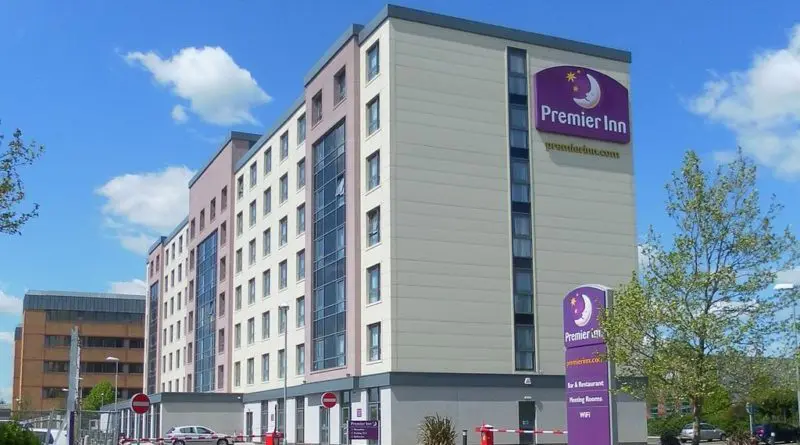
Q: I was having a conversation with a friend at a dinner party, about the recent spate of disaster stories in big hotels; like Premier Inn paying compensation for a scalding shower and Travelodge accusing a dad of being a paedophile. Talk inevitably turned to my hotel and what we would do if something like this happened and I am ashamed to say I’d never really thought about it before. I think perhaps I need some kind of strategy in place should the worst happen?

What you need is a crisis management policy, which is a formalised plan for dealing with potential reputation disasters. Once developed, it should be the blueprint for the processes and procedures you undertake in any scenario, and can also be used as a formal tool within your staff training.

A good crisis policy starts with risk assessment, which is used to identify and put right any potential risks within the business. Prevention is the best crisis media policy, can of course be idealistic; however ensuring you have done everything in your power to reduce risk is essential to a) reduce the likelihood of needing to implement your policy, and b) minimise any potential reputation damage should the worst happen. A good risk assessment for example will identify that scalding water could be a problem, and put in place routine maintenance procedures to check water temperatures, water pressure etc. This in turn can inform the training for the housekeeping staff, who spend the most time within each individual room, and then the maintenance staff too.

Even with the best risk assessment in the world, it is impossible to be completely risk-free or to prevent anything at all happening, either through human error or system failures. As such, there may be a day when the worst does happen, and a formalised policy will be the lynchpin of well-handled campaign that can leave you smelling of roses, so to speak. A good crisis policy does not focus on what could potentially go wrong in the way risk assessment does, but instead how you will react. You can do some of this work yourself, but it is also worth consulting a crisis expert who can help you formalise the plan for maximum effectiveness.

At minimum your policy should contain:
Your formalised complaints procedure; how and where do you invite complaints, what is the process for dealing with them and who should they be escalated to. Although some complaints can be dealt with by front-of-house staff, such as not having a spare blanket in the room, or having cold toast at breakfast, your plan needs to set out how to identify the severity of the complaint, and when and how these should be escalated. Not only this, but it should also formalise how and at what stage each process happens; what do you need to know up front, how will you investigate it, when and what will you communicate to the customer etc. This is vital to a) ensure that the complaint is dealt with properly, and not by well-meaning staff who might accidentally make the whole situation worse, and b) to ensure that the customer feels listened to every step of the way. It is worth noting that even when you formalise this policy, you may not have opportunity to deal with a complaint before the customer decides to alert the media, so you also need a contingency of how to contact an individual if the complaint comes in indirectly.

Your statement policy; what you will say and how you will say it, and importantly what you won’t say too. Having watched many crises spiral out of control, it is often because well-meaning employees wade in, offer an opinion and trigger a fall-out they aren’t trained to predict or handle. Knowing who is responsible for saying what is essential to ensuring good, clear communication around any issue.

Your shutdown policy; often, the knee-jerk reaction is to make an immediate statement, but this usually means you don’t have all the facts or a clear answer, which will invariably make the whole situation worse. While time isn’t on your side and things do need to be dealt with as a priority, you need to have a shut-down policy of the steps you will go through to handle it and how and when you will issue a statement. It is also beneficial to take responses offline and out of the public spotlight so as not to invite further backlash or repercussions.

Your crisis expert; crisis management is not your expertise, and when you are handling a potential reputation disaster, a few thousand pounds on a crisis expert will be money well-spent. Trust me. In some cases, your insurance company will even pay the fees for that expert, as it is in their best interests to minimise damage. If you already have a PR agency, it is likely they will have a crisis expert, but if not, look for someone independent and skilled.
This is a very rough and ready guide, but appointing an expert to help is the best thing to do. You may never need it, but better to have it gathering dust on a shelf than not have it in place at all.

Previous Post

New general manager at Belmond Le Manoir aux Quat’Saisons

Next Post

Whitbread’s competitors should tread carefully after Costa sale