







Register to get free articles
Want unlimited access? View Plans
Already have an account? Sign in
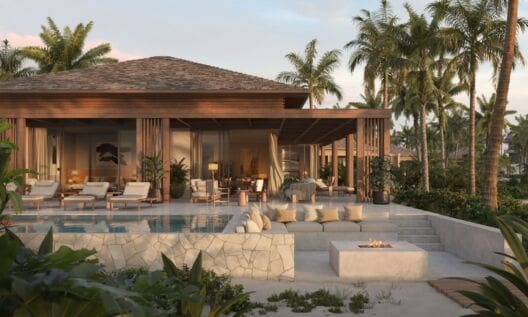
Branded residences were long-seen as a bolt-on to the luxury hotel market; niche and high end, reserved for a small pool of ultra-wealthy buyers. But that is no longer the case. Branded residences are becoming more and more mainstream, and are evolving into one of the most robust models in the modern hospitality landscape.
The sector is growing rapidly, with industry research showing it expanded by more than 180% between 2014 and 2024, and more than 1,600 schemes could be operating worldwide by 2030. What is most striking though, is not just the pace of growth, but where it is coming from. Momentum is building in the premium and upper-midscale space, with buyers across the board looking for reassurance, consistency and flexibility in their lifestyle.
This reflects broader changes in consumer behaviour. As economic uncertainty persists and living costs remain high, trust has become a defining factor in purchasing decisions. A recognised hospitality brand offers reassurance around standards, service quality and professional management. At the same time, hybrid working, longer stays and more flexible lifestyles are reshaping travel habits. Buyers still want independence and personal space, but they also value support and certainty. Branded residences offer both: private enough to feel residential, but with the reliance of a brand tied to it.
As a result, investment in branded residences is no longer confined to the ultra-wealthy. As brands extend their offerings into the premium and upper-midscale sector, the buyer base widens. Today’s purchasers include families, remote workers and frequent travellers looking for a reliable home-away-from-home. At the heart of this appeal is trust, and the reassurance that a recognised brand provides around quality.
For hoteliers, this shift presents a key opportunity. Branded residences should no longer be seen as an additional asset, but as a meaningful driver of growth, consistently outperforming independent properties3. Well-designed mixed-use schemes generate another revenue stream and help create more resilient portfolios, offering stability at times when travel demand may be affected by economic uncertainty or wider global events. In a volatile market, professionally managed residential products can play an increasingly important role.
More broadly, the rise of branded residences reflects hospitality’s response to evolving lifestyles and increasingly cautious investment behaviour. As consumers prioritise reliability, flexibility and professionally managed experiences, demand for branded living is set to continue.
Hoteliers and developers prepared to step into this sector will reap huge benefits. At Wyndham Hotels & Resorts, we operate branded residences, with further developments in the pipeline, and we believe this model will play a growing role in shaping the future of hospitality.