






Register to get free articles
Want unlimited access? View Plans
Already have an account? Sign in
Minor Hotels has reported a core loss of THB 631m (£14.41m) for the quarter despite a 6% rise in revenues to THB 30.4bn (£690m) for the first quarter of 2026.
The group’s loss increased by THB 138m (£3.15m) in the previous quarter, which management attributed to extensive renovation works at flagship properties, including Anantara Siam Bangkok Hotel, as well as unrealised foreign exchange losses.
However, its revenue growth was driven by sustained demand for premium travel and pricing strength across the majority of the group’s global markets.
Average daily rate also increased 7% year-on-year, while revenue per available room rose 6%.
System-wide occupancy remained stable at 64% despite a seasonally quieter period for the European market, while its core EBITDA grew 1% year-on-year.
The Europe and Americas division recorded RevPAR growth of 7% despite the quarter being a traditionally weak trading period for the region.
Meanwhile, performance in the Maldives saw ADR grow 12% and RevPAR rise 11%. Thailand recorded 10% growth in both metrics, with the luxury Anantara brand reporting a 23% RevPAR increase.
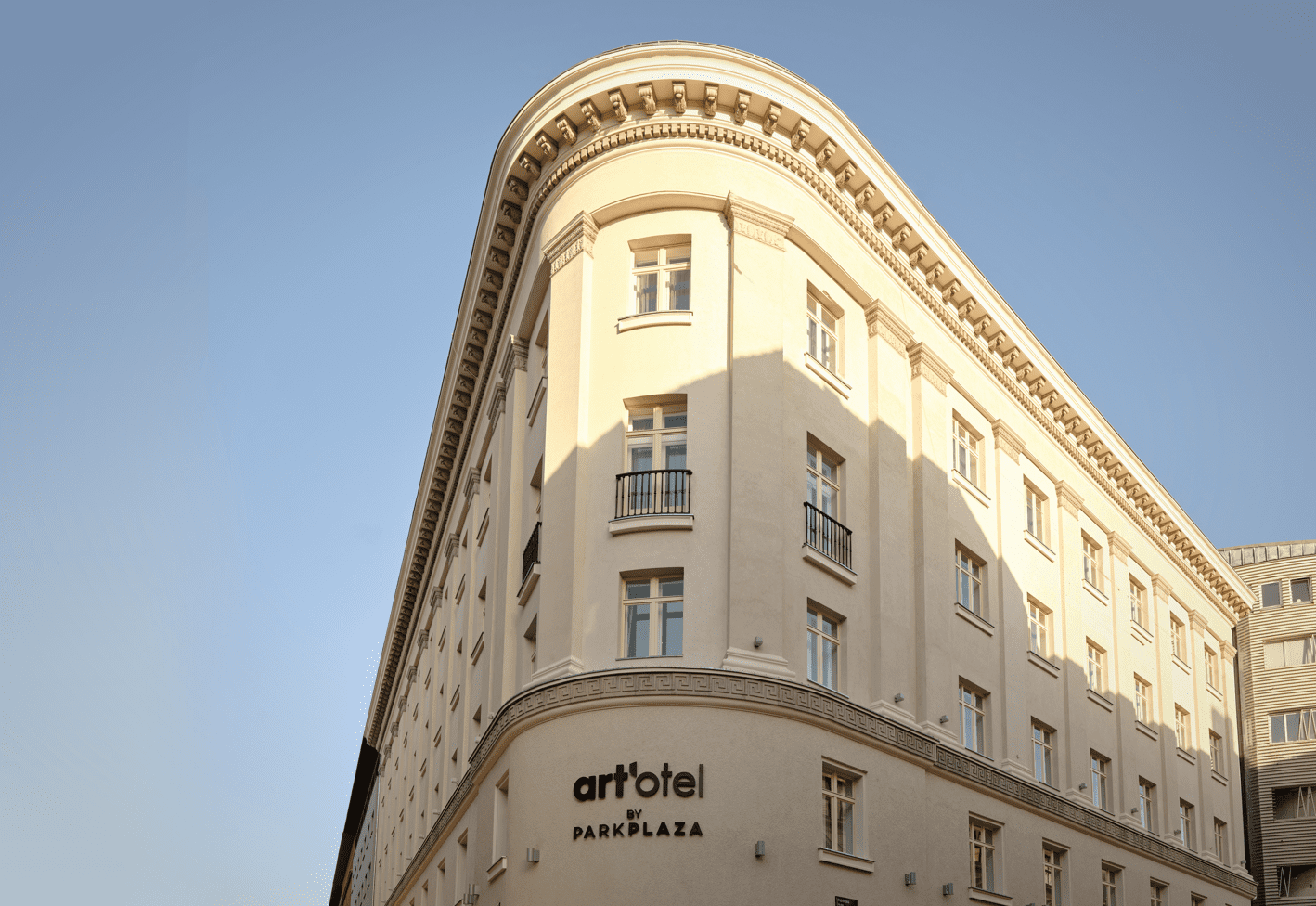
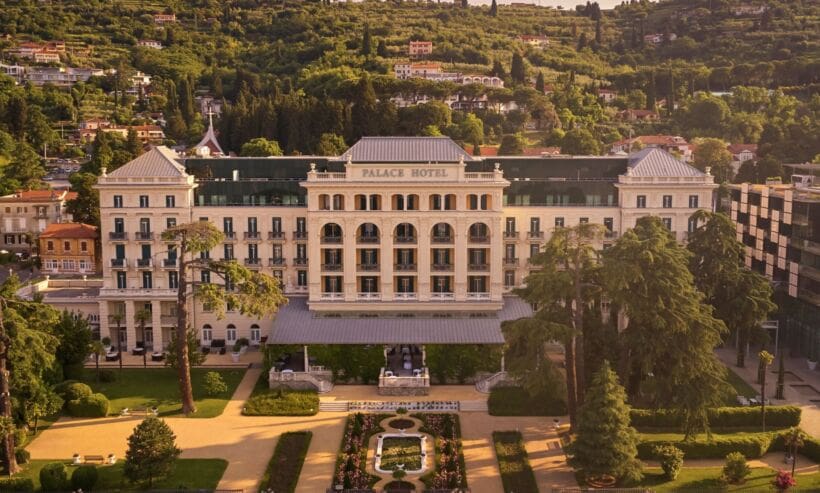
Operational expansion continued through an asset-light strategy, with four new managed properties opening in Thailand, Oman, Croatia and Slovenia.
The group added 589 keys to its portfolio and signed new agreements for hotels in the United States, India and Tanzania.
Occupancy in the Middle East and Africa fell by seven percentage points due to regional conflict.
To support its long-term strategy, the group is developing a digital and AI platform with partners including Salesforce and Google Cloud, scheduled for deployment later this year.
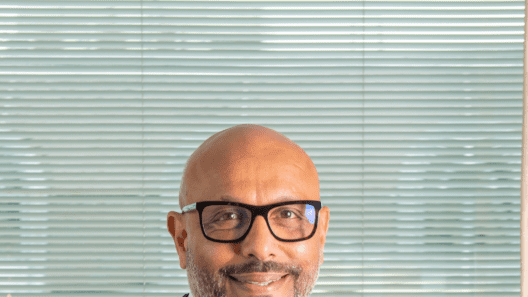
Dillip Rajakarier, group chief executive, said: “What continues to stand out is the resilience of demand for trusted premium brands, even against a backdrop of geopolitical uncertainty. This is particularly benefiting destinations and brands with strong positioning and differentiated experiences.
“At the same time, we remain focused on positioning the business for long-term growth through asset-light expansion and the continued development of digital and AI capabilities that will strengthen how we engage with guests throughout their journey.”