









Register to get free articles
Want unlimited access? View Plans
Already have an account? Sign in
Regional UK hotels have outperformed the London market in the opening months of 2026, driven by strong occupancy and rates.
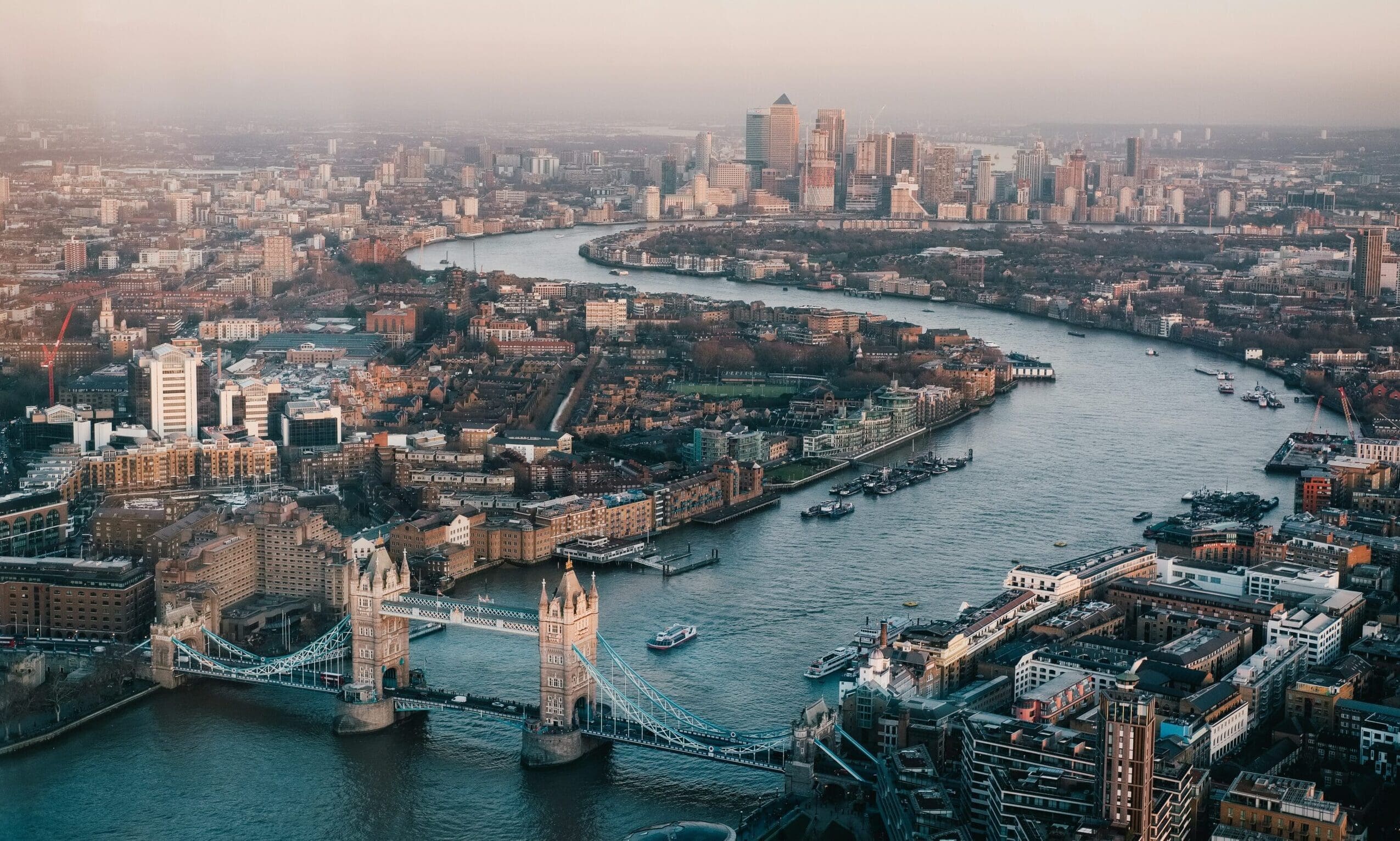
Data from CoStar revealed that regional properties achieved a revenue per available room (RevPAR) uplift of nearly 2%, while the capital faced declines due to supply and demand imbalances.
According to Cristina Balekjian, CoStar’s director of Hospitality Analytics, the divergence reflects a softening in London’s outskirts, where high supply additions impacted performance.
However, submarkets benefitting from corporate and event-driven business, such as the City and Docklands, helped to minimise marketwide losses in the capital.
Glasgow and Cardiff emerged as the strongest performers, recording RevPAR increases of 14% and 10% respectively.
Growth in Edinburgh reached 5%, supported by the Six Nations Rugby Championship and a 6% rise in international passenger arrivals at the city’s airport in the year to February.
Manchester and Birmingham also reported growth. Manchester hotels benefited from football-driven business and hosting the BRIT Awards, while Birmingham saw a boost from two major gaming conferences in March.
Approximately 60% of UK markets achieved RevPAR growth during the quarter, compared with less than half in the previous year.
Underperforming regions included Gloucestershire, Lincolnshire, Swindon and Wiltshire. In Gloucestershire, occupancy was affected by supply dynamics and hotel closures, though the opening of Hotel Indigo Gloucester, The Forum helped to improve rates toward the end of the period.
Balekjian said: “Although the outlook is mixed for hotels across the UK, first-quarter results point to some improvements as the year started, as more markets achieved RevPAR growth when compared to the previous year. While headwinds are likely to persist amid a weaker macroeconomic backdrop, with Oxford Economics forecasting UK GDP growth of 0.6% versus its original 1%, there are glimmers of hope for the upcoming months.
“With the conflict in the Middle East, staycations are expected to rise as British consumers choose to travel closer to home, especially as the cost of going abroad rises, while event-driven business is also set to bolster performance across many destinations.”