






































Register to get 3 free articles
Register to unlock the article and receive our free newsletter. Join 26,000 other hotel leaders and stay in the know.
Want unlimited access? View Plans
Already have an account? Sign in
Serviced apartments in Europe have not been immune to the Covid-19 crisis but have shown some degree of relative out-performance compared to other hotel sectors, according to the latest research from Savills.
Analysis conducted by the international real estate advisor shows that serviced apartments had “already started to outperform hotels” before Covid-19. In the case of London, serviced apartment RevPAR has grown by an average of 3.9% per annum between 2014 and the end of 2019, increasing to an average of 5.2% per annum over the last three years.
London hotel RevPAR growth has lagged behind with an average annual growth of 2% over the last five years, with a three year average of 3.3%.
Serviced apartments accounted for an estimated 7.9% of total bed nights across Europe’s top 10 gateway cities pre-Covid-19, according to Savills analysis, similar to the penetration of AirBnB.
It also found that on a city basis, some markets have a higher representation of serviced apartments relative to hotels, including Paris, Munich and Frankfurt, with over 13.0% of hotel supply represented by serviced apartments. In contrast, Amsterdam and Madrid continue to have relatively constrained stock levels.
Richard Dawes, director, EMEA Hotels, said: “Serviced apartments are still relatively under-represented in key European markets, which not only points to further development opportunities, but also potential mid-term structural shift in pricing outlook.
“Despite the lack of stock preventing large scale investment volumes, serviced apartments remain attractive with continued investor interest and a number of deals are expected to complete in 2020.”
He added: “The relative resilience of serviced apartments during this time is shining a light on the sector, which could result in further interest from new buyers, supporting pricing over the medium to longer term.”
Marie Hickey, director, commercial research, said: “While Covid-19 has adversely impacted occupancy levels across all parts of the accommodation market, serviced apartments have displayed slight resilience in terms of performance.
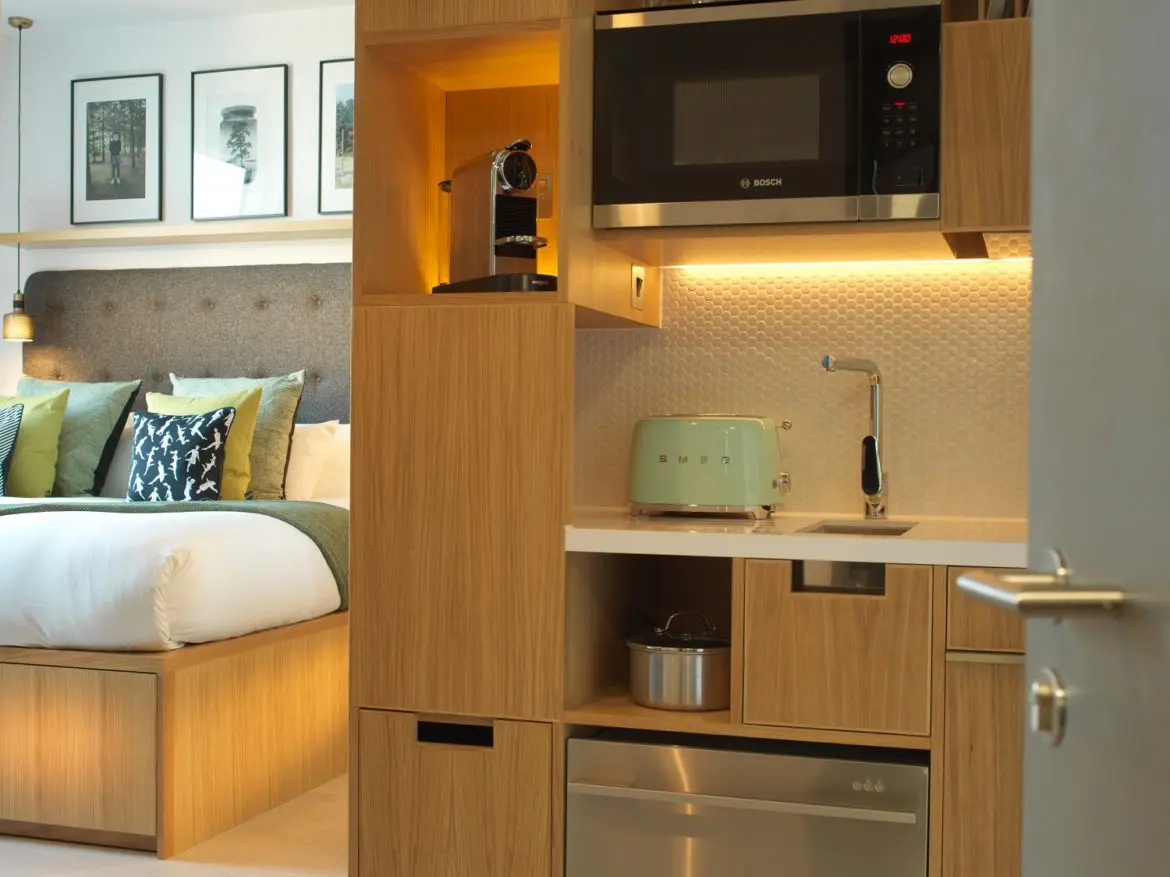
“Their guests, who tend to be longer-length stay, and the configuration of properties as self-contained units have supported serviced apartments going into lockdown and will continue to do so as we move out of it with shifting booking patterns, suggesting that serviced apartments could lead the recovery, as we’ve seen during previous recessions.”