







Popular now
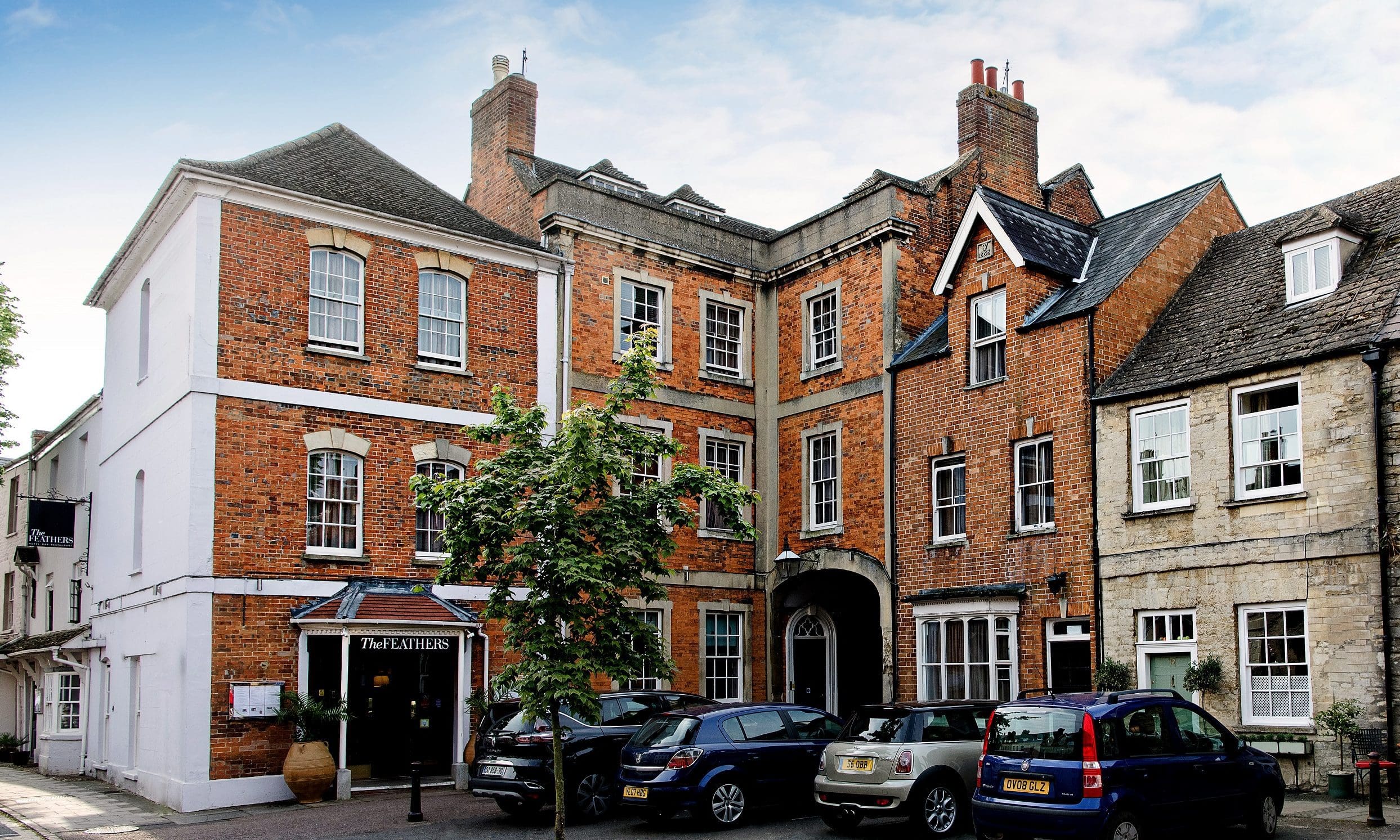
Peter Prusaczyk appointed general manager of The Feathers hotel

Peter Prusaczyk appointed general manager of The Feathers hotel

Hyde & Seek London Hyde Park appoints Paul Davies as GM

Hyde & Seek London Hyde Park appoints Paul Davies as GM

Doxford Group reshuffles senior leadership as part of expansion strategy

Doxford Group reshuffles senior leadership as part of expansion strategy

Safestay revenues fall to £20.6m amid challenging European market

Safestay revenues fall to £20.6m amid challenging European market

The hostel operator reports a £10.1m loss after tax following property sales and asset impairment charges

In this episode we speak to Daniel Kyriakides, a partner at law firm Reed Smith. We discuss why private members’ clubs are experiencing a resurgence and what that means for the future of the hotel sector. From heritage buildings being reimagined as lifestyle destinations to hotels borrowing the experiential playbook of members’ clubs, we discuss how the lines between the two are becoming increasingly blurred, and why global growth is on the horizon for the private members club model.

In association with

Register to get free articles

No spam Unsubscribe anytime

Already have an account? Sign in

Safestay has reported a decrease in group revenues to £20.6m for the year ended 31 December 2025, down from £23m in the previous year, following difficult trading conditions across Europe.

The hostel operator saw adjusted EBITDA fall to £3.7m from £6.5m amid the lower sales, while reporting a loss after tax of £10.1m.

While UK revenues fell by 6% to £8.5m, which accounted for 41% of total group revenue, overseas revenues fell 13.5% to £12.1m, reflecting challenging trading conditions across several of its European markets.

The group said occupancy levels in the region were hit by consumer behaviour changes as a result of the conflict in the Middle East as well as by tourist levies introduced in several European destinations, which are increasing the overall cost of travel for visitors.

In total, occupancy levels dropped to 70% and revenue per available bed fell to £16.43, while total bed nights decreased by 6% to 877,674, down from 931,688 the prior year.

Over the year, Safestay’s footprint expanded to 22 properties in 2025, including hotels operated directly, under development, and under franchise, compared with 19 in 2024. It also sold two freehold sites in Edinburgh and Brighton during the year, while adding three new hostels in Italy and Austria.

Larry Lipman, chairman of Safestay, said: “Against the backdrop of a challenging pan-European trading environment, during 2025 the Board took proactive measures to manage the composition of the portfolio, significantly strengthen the balance sheet, and improve long-term performance. This included the sale of two freehold sites in the UK in Edinburgh and Brighton, whilst continuing to strategically expand the portfolio in attractive locations, with three new hostels added in Italy and Austria.

“Our focus remains on delivering sustainable growth and creating value for shareholders, underpinned by a leading customer proposition. With a strong brand in the European hostel market, well-invested systems and a pipeline of growth opportunities including franchising, we remain confident in Safestay’s ability to deliver sustainable growth and shareholder value creation.”


Recurring revenue challenges for Safestay amidst evolving market dynamics

News Analysis

Safestay’s latest revenue decline to £20.6m highlights a concerning pattern in its financial performance amid ongoing economic pressures. In January 2024, the group announced trading results for the prior year, predicting a sales figure of £22.5m, an increase from £19.1m. This growth included a significant uptick in occupancy rates, yet the company faced persistent losses and a challenging market backdrop. This suggests a theme of diminishing returns even when revenue figures seem promising, illustrating the volatility present in the hostel sector post-pandemic.

In 2019, Safestay recorded a 26% revenue rise, reaching £18.4m, with strong occupancy rates and an expanding European asset base. Despite this strong revenue growth, the company also dealt with rising costs and operational challenges. The contrast between this consistent revenue growth in pre-pandemic years and its recent decline further underscores the unstable climate in Europe’s hospitality industry, exacerbated by cost-of-living pressures affecting key demographics.

Historically, Safestay has expressed optimism in seizing market growth opportunities, especially around acquisitions and expanding its portfolio. In 2018, the company highlighted the potential of modern hostels capturing a significant share of the accommodation market, stating a robust growth trajectory through strategic acquisitions. However, as shown by the recent revenue downturn, the anticipated benefits from such strategic initiatives are not materialising as expected, raising questions about long-term sustainability and adaptability in the face of changing market dynamics.

Previous Post

Aimbridge Hospitality unifies regional operations under global sales office

Next Post

Doxford Group reshuffles senior leadership as part of expansion strategy