



































Register to get 3 free articles
Register to unlock the article and receive our free newsletter. Join 26,000 other hotel leaders and stay in the know.
Want unlimited access? View Plans
Already have an account? Sign in
The race for consumer loyalty and engagement is front of mind for all hospitality businesses. No matter what size of restaurant or hotel, businesses are striving to get people through the door, and then provide them with such a great experience that they will come back again and again.
Today, we live in an era of rapid technological change. As we become an increasingly mobile society, consumer behaviour has called for brands large and small to service consumers with the technology they need to interact in our digital age. For hoteliers and the hospitality industry as a whole, the key question has become which innovation will be the most relevant and lucrative investment.
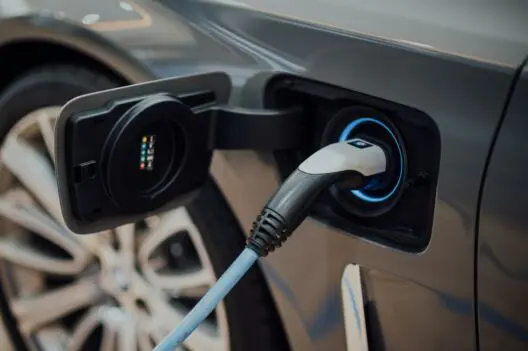
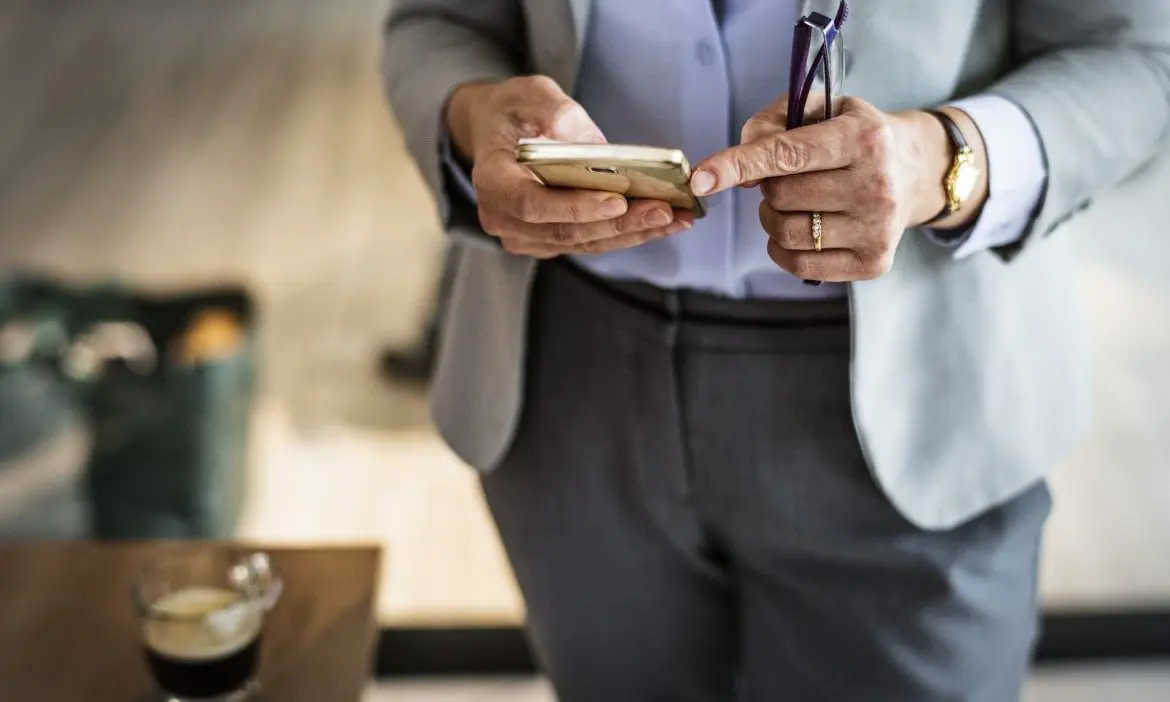
With brands like Apple, Samsung, BMW and Telsa embracing wireless charging across their latest models, consumers are coming to expect a seamless, consumer experience when not at home. This is of particular relevance in the hospitality sector as guests rely on mobiles more and more during their hotel, restaurant or café experiences. The battery anxiety epidemic remains unresolved with a recent study finding 40% of people carry one or more portable chargers simply as battery back-up.
If you can influence how and where people get access to power, you can influence the rest of their experience with you. Convenient wireless power will be key for hospitality businesses to support a truly mobile experience at an individualised level. For hospitality businesses, wireless charging can result in a number of benefits:
-
Use data to get to know the customer better
Knowledge is power – in a post-GDPR world, this phrase has never been truer. With a smart wireless charging solution, hospitality venues will be able to glean customer data and insights that are both relevant and won’t require lengthy and invasive guest interaction to procure. Hotels and restaurants can use this data to stay informed and as a competitive advantage. The Chargifi App, for instance, allows you to require a user to install your app to gain access to wirelessly charge their device – by gating this high-demand amenity you can encourage guests to download your mobile app.
-
Increase dwell time and revenue
Brand loyalty is the new Holy Grail when it comes to customers. One of the benefits of wireless technology is its ability to capture a more receptive audience – interaction is guaranteed when you are servicing a need they have. Footfall or dwell time increase due to wireless power has the potential to create a point of difference. With ecommerce on the rise, encouraging people to come in, sit down and spend money is more important than ever – particularly for the hospitality industry that is so reliant on customers physically being on site. In our most recent deployment in a global hotel brand’s bar area – we saw a 64% increase in revenue, with the average charging session lasting 50 minutes.
-
Personalised service to a micro level
One approach is to use wireless charging as a trigger and make use of hyper-local data on the target customer base to become a convergence point for smart functionality like location services and cloud-based data. Restaurants, cafes and hotels integrating wireless power will have access to hyper-local data based on exactly where and when the customer is charging. Data provided via wireless charging can pinpoint the exact seating or standing location of any customer in relation to a café or restaurant’s layout, in a way that Wi-Fi and beacons cannot,
due to accuracy limitations. For smart connected hotels, this means understanding where guests are in the hotel and capitalise this in relation to underused spaces and areas of high footfall – feeding into a more individualised service that is specific to the amenities your guest actually want and utilise.
Wireless charging is achieved by embedding wireless power transmitters within or beneath table top surfaces or inside furniture. The transmitter beneath the table is connected to the establishment’s mains power. If a user places a wireless-charging-enabled device (such as the latest iPhone X or Samsung S9) above the transmitter, it will draw power from the transmitter and recharge.
There’s no doubt about it: the world is going electric and electric is going wireless. Wireless charging is particularly suited to deploy at scale on a case by case basis, bringing hospitality venues a way to meet the demands of their customers, fully capitalize this demand and build loyalty. Chargifi is already deploying wireless power internationally across hotel groups such as Grand Hyatt, Marriott and food outlets, Pret a Manger. Today consumers will choose a hotel or coffee shop based on getting a WiFi connection; and wireless power will be the next big differentiator. Service with a smile is great but really the convenience of mobile technology and personalisation are key to ensuring a returning customer.
Dan Bladen is the CEO and co-founder of Chargifi