



















Register to get 3 free articles
Register to unlock the article and receive our free newsletter. Join 26,000 other hotel leaders and stay in the know.
Want unlimited access? View Plans
Already have an account? Sign in
The Global Serviced Apartment Industry Report for 2016/17 states that there are currently 826,759 serviced apartment worldwide, up 10.5% in the last 18 months. It’s one of the fastest growing sectors in the hospitality market and current indications are that the trend will continue.
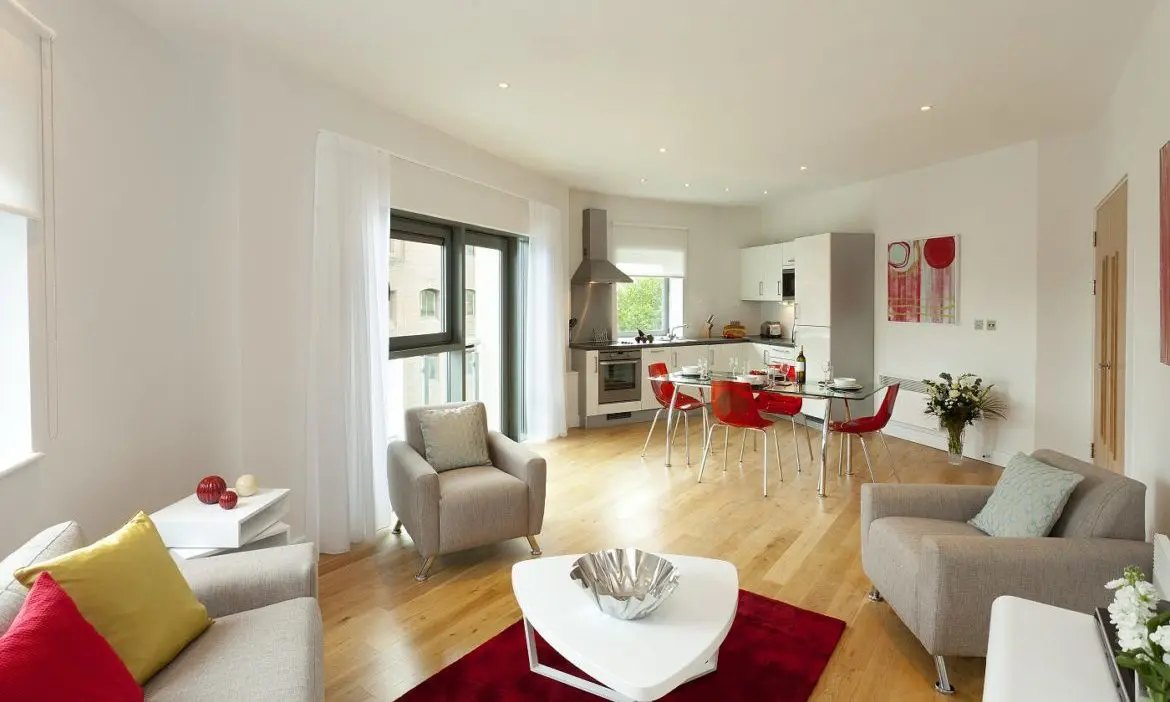
Following an industry shift in 2014, we developed the Quality Standards for Serviced Apartments, which now runs alongside our better-known hotel and B&B schemes. What’s been emerging in the last six months particularly however, is that more and more hotels are adapting to provide some serviced apartments as an alternative offering for their guests – combining a traditional hotel offering with a few serviced apartments for those guests looking for a home away from home.
One example is The Athenaeum Hotel in London, which now offers guests the choice of rooms, suites and a penthouse suite as well as a selection of private Mayfair residences. This gives guests a greater choice of booking options, and from the perspective of the hotel, provides broader appeal within the marketplace and greater flexibility. The Athenaeum operates a flexible booking model, whereby if the main hotel is booked then the private residences can be offered as an alternative and from an operational standpoint it also means that back office space and staff are shared.
For hotels with adequate space or opportunity to offer services apartments, there are a number of advantages, including:
- Offering a home-from-home experience allowing guests to work, cook, relax and sleep. This often facilitates longer stay times, which has added advantages in terms of overheads
- An apartment offers 30% more space than a standard hotel room which may seem counter-intuitive when considering revenue per available room (RevPAR), however again supports longer-term rentals
- Serviced apartments are generally 20% cheaper than standard hotel rooms, but due to the long term let nature usually means that occupancy rates are higher
- The VAT rate reduces to 4% after a 28 night stay; a huge benefit for your business travelling guests. Similarly, companies with lots of business travel commitments are more likely to opt to book a serviced apartment for extended periods, even if it is not always occupied by staff as it works out cheaper in the long-run
- An apartment offers greater freedom for you and your guests. There are no meal times or dress code to adhere to and check-in/check-out can be more flexible and automated in many cases. They present an excellent option for late arrivals for example, who require a late check-in and research shows that just because they have facilities to cook, guests within hotel complexes will often still spend money on food and drink within the hotel
- The apartments have less frequent housekeeping services on offer, reducing overheads for the service
The majority of the UK’s serviced apartments are in London, Birmingham, Manchester, Edinburgh and York, with main brands such as Citadines, BridgeStreet, SACO apartments, StayCity, GoNative, Marlin Apartments, Think Apartments and Premier apartments operating within the marketplace.
Case Study: Staybridge Suites, Liverpool
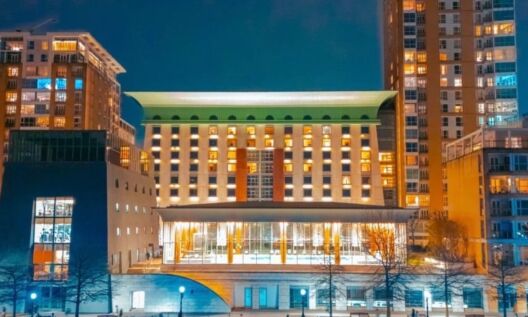
A smart all-suite hotel, Staybridge Suites provides a home-from-home, apartment-style accommodation close to Liverpool’s waterfront and a short walk from the city centre. The property has a total 132 apartments, a mixture of studio and one bedroom apartments, with all of the features you would expect in a high end hotel room and the added benefits of a fully-fitted kitchen.
Guests can stock up on groceries from the on-site shop, open 24 hours, and prepare dinner in their suite’s fully equipped kitchen. Breakfast is offered by the hotel featuring hot items and coffee to go; there is a free laundry service provided; and an on-site fitness centre enables guests to workout. Complimentary high-speed internet and a business centre are also available for guests to use when not in meetings or at an office.
Opened by Cycas Hospitality in 2008, Staybridge Suites Liverpool is the UK’s first extended-stay hotel and currently ranked second place out of all hotels in Liverpool by TripAdvisor. The property was bought by Cycas Hospitality in early 2016 from partners Patron Capital. The company’s experience running hotels allows them to customise the apartments around the guest experience with every space featuring a special sense of community, comfort and convenience, allowing guests to feel at home whilst on the road.
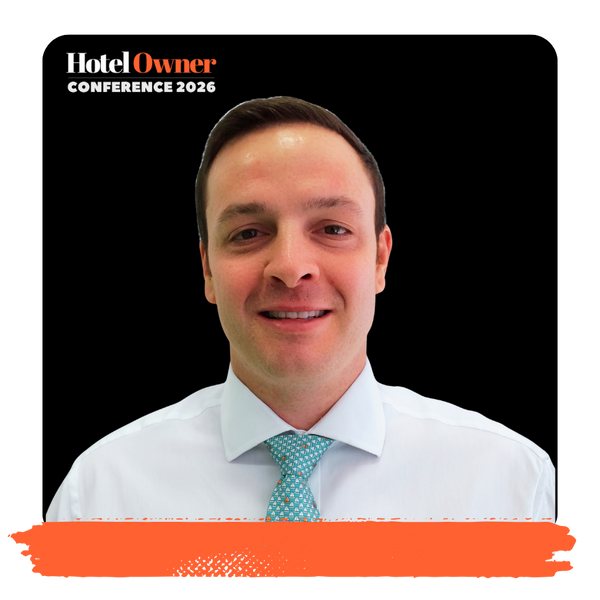
Craig Patterson, general manager for Staybridge Suites in Liverpool, has many years of valuable experience working in hotels, climbing through the ranks to operations manager. Patterson says: “My experience in hotels has helped me appreciate the benefits of working in an extended-stay property. The average length of stay is longer than in an ordinary hotel, meaning that we can really get to know our guests and learn more about them and what they like. We can engage with them and give them a much more personable service, to help create a true ‘home away from home’ experience.”
When asked what the best piece of advice you’ve been given during an assessment, Patterson responds: “The best advice was to ‘address issues before they have a negative impact on your business’”. He continues: “As a relatively young hotel team many of us were surprised to learn that we were going to be responsible for a major design overhaul [of the hotel] with new flooring, new concepts for suites and public areas including the reception, living room and hub. However, one of our guiding principles is – ‘always put your guests first’ – helped us to focus on how to structure our decision-making process. Think about what matters to the guest.”
“Ultimately our action plan was guided by internal and external feedback, including Quality in Tourism inspections. In an ever-evolving business travel marketplace, reinventing yourself is key to keeping your guests happy and staying on top.”
Patterson says: “The great thing about the inspection is that there’s truly no hidden agenda behind it and it’s unique in the hospitality industry. The inspection is 100% impartial and is purely about offering a fair and accurate rating that can advise potential customers on what they can expect if they choose to stay with us, whether that is for one night or for twelve months.”
“As with any inspection, when things get highlighted by an inspector, the team can (and do) take this feedback very personally as they take great pride in the service that we offer at Staybridge Suites Liverpool. Therefore, we take time to explain to the team why we partake in the Quality in Tourism scheme and what it is worth to an established business like ours. It’s important to realise that the feedback is a genuinely valuable commentary on how we actually perform; it gives us all helpful advice about how we can continue to improve our service offering for our customers.”
Case Study: SACO Apartments, Broad Quay, Bristol
SACO opens the door to 80,000 stylish serviced apartments in over 260 destinations worldwide. Their aparthotel on Broad Quay in Bristol, is a short walk from the city’s main train station and city centre, and offers a wide-selection of apartments; choose from the stunning studio, one, two or three bedroom apartments or opt for a Club Apartment. The hotel boasts a 24-hour reception, on-site car parking, weekly housekeeping and linen service, laundry and dry cleaning service, fully equipped kitchen, WiFi access, bike and luggage storage.
SACO Bristol, Broad Quay won a bronze award at the South West Tourism Awards in 2016 and a highly commended at the Bristol, Bath and Somerset Awards. The win follows the increase in guest satisfaction scores and enhanced service levels, with 98% of guests rating their stay at SACO Bristol – Broad Quay as ‘Good’ or ‘Excellent’. The Aparthotel is also now ranked as number one for speciality lodging in Bristol on TripAdvisor, where it consistently receives great feedback from customers about service levels, from a warm welcome on arrival to the exceptional cleanliness and comfort of the apartments.
Simon Mahon, director of operations for SACO, comments: “The serviced apartment industry is consistently growing year-on-year and we are growing our business accordingly. We currently have 980 apartments that we own or manage and we are looking at rapid expansion. We’re opening 42 rooms in Fitzrovia in London in April, we are opening a Locke Aparthotel in May with 72 Apartments. In September we are opening a 115-room aparthotel in Amsterdam and in January next year we will open a Locke with 150 apartments in Manchester. We’ve then got further expansion in London and Dublin. By the end of 2018 we will double in size. It’s a hugely exciting time for SACO.”
Speaking specifically of the Bristol, Broad Quay complex, Jonathan Wakefield, apartment manager, says: “Being assessed has helped us to focus on what the guest actually needs, not what you think they do. We always strive to do the right thing by both our guests and our staff, and we also firmly believe that our location is more than where we happen to be situated – we try to be a part of it and so we are ambassadors for SACO and for Bristol.”
He continues: “Although we cannot offer disability access in all of our apartments, we have increased accessibility training to make sure staff are aware of needs and know what we can do to help. Two specific apartments are also NAS accredited. The best piece of advice we have ever been given is to always respond to both negative and positive reviews on sites – guests can see both and positive responses are looked – it demonstrates you are engaged and approachable.”
Wakefield concludes: “The aparthotel world is proving hugely attractive to both the corporate and leisure markets, so there is scope for further entry to the sector. The usual advice rings true. Know your market, your guests and your competitors.”
Deborah Heather is the director of Quality in Tourism, the independent quality assessors. This feature first appeared in the March 2017 issue of Hotel owner