







































Register to get 3 free articles
Register to unlock the article and receive our free newsletter. Join 26,000 other hotel leaders and stay in the know.
Want unlimited access? View Plans
Already have an account? Sign in
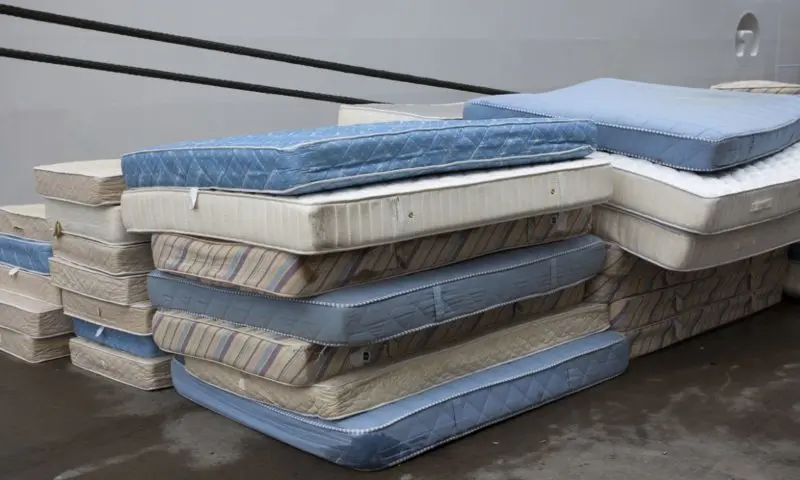
When the time comes to renew soft furnishings, disposing of existing mattresses, beds and bedding can pose a huge headache for hoteliers. Not only must they consider how to remove them from the property, without disturbing guests, and find transport and somewhere to store them, they must also identify a reputable recycling operator, which can be a challenge too.
To put the core issue into perspective, just 16% of the estimated 5.9 million end of life (EoL) mattresses disposed of in 2014 were recycled. The majority (73%) were sent to landfill and the remaining 11% were incinerated, creating an environmental headache for local authorities. Despite the government increasing the cost of sending waste to landfill as a deterrent, this form of disposal remains a cheaper option than recycling.
And, when you consider the fact that hoteliers replace mattresses every eight years – a move away the previous norm of every 10-12 years – the situation becomes even more problematic. This increase in replacement frequency will mean that more mattresses are disposed of each year as hoteliers heed the advice of major retailers and manufacturers to replace mattresses after eight years of use. A great deal of pressure therefore falls on hoteliers to stop sending old mattresses to landfill as part of their replacement processes.
Instead, hoteliers should invest time and funds into appointing a recycling operator that can responsibly remove and recycle large quantities of old mattresses.
A quick search online will return plenty of options for mattress disposal companies, but for hoteliers looking to operate responsibly and reach corporate social responsibility (CSR) targets, more research is required. Companies offering mattress collection and recycling are not always what they seem. Sadly, there have been many cases of cowboy operators who charge businesses, local authorities and individuals for the removal and supposed recycling of their mattresses to only stock pile the mattresses in rented warehouses, leaving the building owner with a mattress mountain and all of the recycling responsibility.
To avoid this, hoteliers should ask soft furnishing recyclers whether they can provide a full audit trail and chain of custody to demonstrate environmental compliance when selecting an operator. Reputable mattress recyclers will be able to provide details of their recycling methods and processes, including how they break down the products, where the extracted materials are sent to and what they are used for.
With all of this information, hoteliers can then make an informed decision on how best to dispose of soft furnishings. For those looking to improve CSR credentials, a recycler that contributes to the circular economy, where materials are manufactured, used by the consumer, recycled and reused as a new product, will help to reduce the environmental impact of operations.
The Furniture Recycling Group (TFR Group) partners with hotels to provide a recycling service for used mattresses, reducing their impact on the planet, avoiding landfill and helping fulfil waste recycling targets.
Having already recycled over 1 million mattresses since launch, TFR Group has identified both a social and business case for partners in the hotel sector to take notice of their responsibilities regarding mattress disposal. It offers hotels the chance to put in place a policy, ensuring they can respond to any new legislation that comes into force, or perhaps to be seen and credited as trailblazers in the industry – paving the way for responsible business practice and advocates of the circular economy.
The above issues also highlight a real need for a mattress recycling association to provide a best practice framework for manufacturers, retailers and hoteliers.
TFRG believes that part of this association’s remit should be to provide thorough insight into the industry and facilitate the availability of much-needed data. For example, data on the environmental impact of different types of mattresses is not currently available, yet access to this data would allow manufacturers to build this knowledge into product design. Hotel owners would also then be in a position to make informed choices when selecting new mattresses for their guests, hopefully opting for the most sustainable products and thereby facilitating the circular economy.
This article first appeared in the July 2017 issue of Hotel Owner