






































Register to get 3 free articles
Register to unlock the article and receive our free newsletter. Join 26,000 other hotel leaders and stay in the know.
Want unlimited access? View Plans
Already have an account? Sign in
People stay in hotels for any number of reasons. They may be on a business trip, on holiday, visiting friends and family or going to a special event.
Whatever their reasons for checking in, almost everyone has the same expectations of their stay: to feel welcome; to feel relaxed; to be able to hand over some of their everyday responsibilities, even if just for a few hours. All of which depends on one thing: outstanding customer service.
I visited the US recently. While I was there I stayed in three very different hotels and received exemplary customer care in them all. It was clear, whatever their differences, they shared a common drive to make sure their customers had a memorable experience and received an extraordinary level of service.
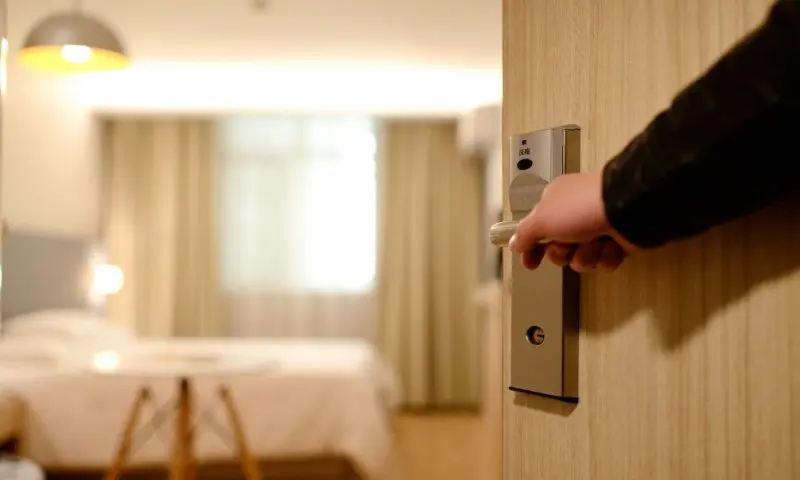
This is no longer the norm. Instead, hotels seem to be racing to strip away human contact and replace it with automation and layers of technical gadgetry. This purge has reached as far as what should be the defining moment of your guests’ stay – the warm welcome they should receive when they check in.
The difference hotels are competing on today
This move away from genuine human contact is harming an industry that is already under threat from a fragile global economy and the rise of online accommodation-sharing sites such as Airbnb.
Hotels must work harder to preserve and demonstrate their difference. Which is surely the ability to give their guests an experience that, however briefly, lifts them out of their everyday life into one of seamless comfort and care. This all depends on excellent customer service built on genuine human contact.
It’s not that technology doesn’t have its place. It can help guests book their stay, plan their trip and control things such as the lights and temperature in their room. When you find the sweet spot between people, process and technology, technology can be the oil that helps the human connection flow. But technology can also act as a barrier, preventing any human connection at all.
For example, before boarding a flight we used to interact with at least three people: one at the check-in desk, one to check our boarding pass and another to check our passport and ticket at the gate. Now we check ourselves in, get security checked by a machine and scan our own boarding pass. And as airlines begin to trial facial recognition, the last trace of human contact during the process is set to disappear.
A spokesperson for Easyjet said: “We are seeking to enhance our passengers experience by making their boarding easier and quicker.” But why is easy and quick better than friendly and helpful?
Travel is moving towards a future of silent solitude, starting at the faceless airport check-in and continuing even when we reach our hotel.
Yet hotels offer an intrinsically human experience. As such, technology should be helping to create and enhance this experience, not diminish it. How can a hotel that is overrun with technology hope to create meaningful human contact?
Why you must make an emotional connection
Hotels create and maintain their reputations through recommendations and repeat bookings. So it’s imperative they maintain a human connection with their customers and don’t surrender to the march of technology.
This connection between a hotel and its guests must be an emotional one. You want your guests to feel nurtured, trusting, relaxed, respected and valued. Emotions lead to actions and the actions you want your guests to take are to remember the experience as a good one, to want to come again, to recommend your hotel to others and maybe to stay longer than they’d originally intended.
You can encourage these actions by building the service you provide around the whole customer experience, rather than allowing the customer experience to be shaped by how you provide the service. Start by asking how do you want your guests to feel?
Make this your purpose
To be great, a hotel needs a team of emotionally intelligent staff. People who demonstrate a genuine interest in and empathy for others. People who will make your guests feel welcome, comfortable, cared for and valued. What we at Miticom call innovative communicators.
Of course, your check-in should be quick and easy for your guests, and technology can help make this happen. But it should also be genuinely friendly and personal. You want your guests to feel warmth, and however efficient technology is, it is never warm.
When you make excellent customer service built on innovative communication skills an active choice, what you say becomes what you do. It becomes part of a game-changing way of working. It generates soul and purpose. Imagine the effect this would have on your performance and profits.
I leave you with one question. It’s not can you afford to invest in training your staff to develop the high-level communication skills they need to provide the best customer service. It’s can you afford not to?
Miti Ampoma is an award-winning business communications and change management specialist and author of the acclaimed business book, The Innovative Communicator.