




































Register to get 3 free articles
Register to unlock the article and receive our free newsletter. Join 26,000 other hotel leaders and stay in the know.
Want unlimited access? View Plans
Already have an account? Sign in
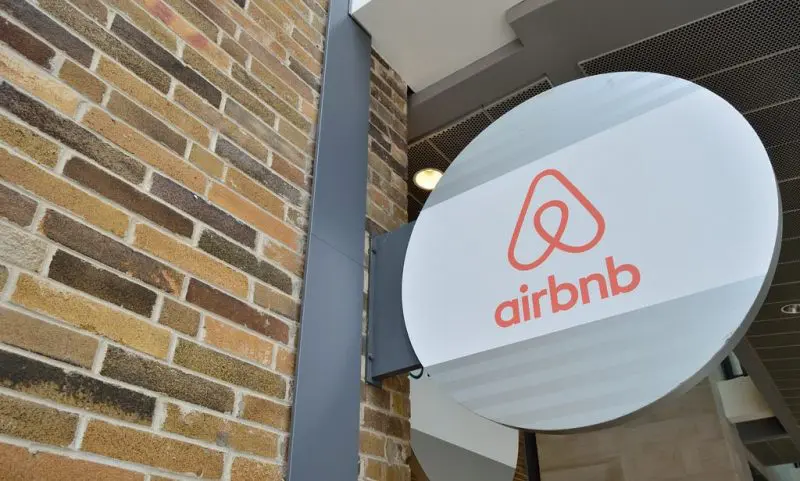
Since its launch in 2008, Airbnb has continued to expand at a rapid rate across the globe. Classed as one of the most innovative companies of 2017 by Fast Company, Airbnb has lured travellers from traditional hotels to homestays, and sparked a huge boom in peer-to-peer services in almost every sector.
Recent research has shown there are currently 64,000 Airbnb listings in London alone. Growth of the popular platform in the UK has increased by 81%, while in Northern Ireland it has expanded by a whopping 144%. It’s no wonder occupancy rates in the hotel industry are fluctuating.
In over half of the 12 cities surveyed in the latest Hotel Bulletin, declining occupancy rates in Q4 2017 were reported and the other half reported limited growth. While the hotel market has been driving growth through technology for as long as we can remember, it is the national and multinational hotel groups who have the budget to invest in technology and innovation, allowing some to remain key players in this highly competitive market.
While Airbnb and similar platforms boom in popularity, and smaller hotels across the globe continue to struggle on, what can the industry learn from the innovations of these platforms, and how can they compete going forward?
Changing consumer needs
Consumer needs and spending habits have dramatically changed over the years. We’re spending less money on buying ‘things’, and more on experiences. In April last year, spending in restaurants went up by 16%, while theatre and cinema spending increased by 13%.
In the hospitality world, this means travellers are now seeking unique experiences. Consumers are steering away from the mass-produced and superficial and are instead seeking out adventure and culture. One example of this is Airbnb’s specialised tours. These highly curated adventures, such as a three-night sake tasting experience in Tokyo, are the perfect example of how Airbnb has matched its service to meet growing consumer demands in the travel industry.
It is not just about the increase in experiences over ‘things’, though. Consumers now expect a higher quality of service throughout their entire journey – from inquiry right through to post-stay. Whether it’s instantaneous guest communication or utilising technology which ensures a smooth, seamless experience, consumers now expect a service which goes above and beyond.
An example of this is Hostmaker, a tech-enabled home rentals management company, which I launched in 2014. At Hostmaker, we provide users with a full service; offering dynamic pricing expertise, thoughtful interior design and hotel-style operations for homes. We’ve developed real time software and hi-tech systems which ensure our property management service is simple, efficient and matches our traveller’s needs.
Technology is used by everyone from housekeepers to our ‘Welcome Wizards’ (those who check-in our guests). Using our tailored technology, we’re able to speed up processes, getting things done quicker and more efficiently.
This means guests are receiving a stress-free and enjoyable service – which they might not have done using another method of accommodation. Companies who are innovating in this field are spending time listening to their customers, and closely watching trends, curating a platform or service to match the traveller’s needs.
How can the hotel industry match this?
As a result of the changing consumer needs and the varied market that now exists, the hotel industry is needing to explore new paths to remain on top of its game – all while retaining its identity. However, it’s not all doom and gloom. Many travellers do still prefer, and are still choosing, hotels in comparison to homestays. This is largely down to their trust in hotel brands, the fact they may expect a higher level of service, or they quite simply do not feel comfortable staying in someone else’s property.
One way the hotel industry can match the changing consumer demands, is simply through being more authentic. Travellers are choosing Airbnb for the unique experience, and this can certainly be replicated in a hotel setting.
For example, Fairmont Hotels and Resorts, now owned by AccorHotels, previously explored what kind of experiences have a real impact on travellers. Their report stated that travellers staying in iconic, historic hotels is something they’ll always remember. Hotels which offer rich histories make guests feel as though they’re part of something meaningful, important and enduring.
Approximately 54% of Fairmont guests that stayed with the brand at least three times over a two-year period, spent the majority of their stays in a historic Fairmont property.
Another key point that came out of the research was that social status is now being aligned to the consumption of experiences, rather than material goods – and cultural immersion has a new type of cachet for today’s travellers. All of this added up to the simple fact that luxury travel is now about creating unforgettable memories.
Partnerships
With this knowledge, we’re seeing more hotels partnering with smaller, innovative hospitality firms, on a mission to disrupt the traditional market and match the traveller’s desire for authenticity, adventure and culture.
One example of this is Onefinestay which was acquired by AccorHotels in 2016. Onefinestay is a luxury home-rental company and reflects how some hotels are swiftly moving into the homestay space.
At Hostmaker, we’ve just partnered with global hotel chain, Marriott, to create Tribute Portfolio Homes. Together we’re working on a six-month pilot bringing exceptional hospitality to the home sharing industry. The idea behind Tribute Portfolio Homes is to provide peace of mind, easy travel and the comforts of home – all while providing travellers with a unique experience.
What does the future hold?
Predicting the future of the hotel industry is always tricky. As technology becomes more advanced and consumer needs shift yet again, it’s obvious we’re going to see further innovation in this field, and more hotels embracing change.
Some savvy hotels have now started listing their property on Airbnb. With lower commission rates in comparison to traditional booking sites, it’s an easy way to earn a little extra cash and opens hotels up to new opportunities.
As the popularity of homestays increases, and their offerings expand, hotels now more than ever need to gain a deeper understanding of their loyal customer base to find out how they can continue to come out on top. From the Internet of Things to big data, hotels will need to start embracing the technology that is going to make them stand out from the highly competitive crowd.