









Popular now
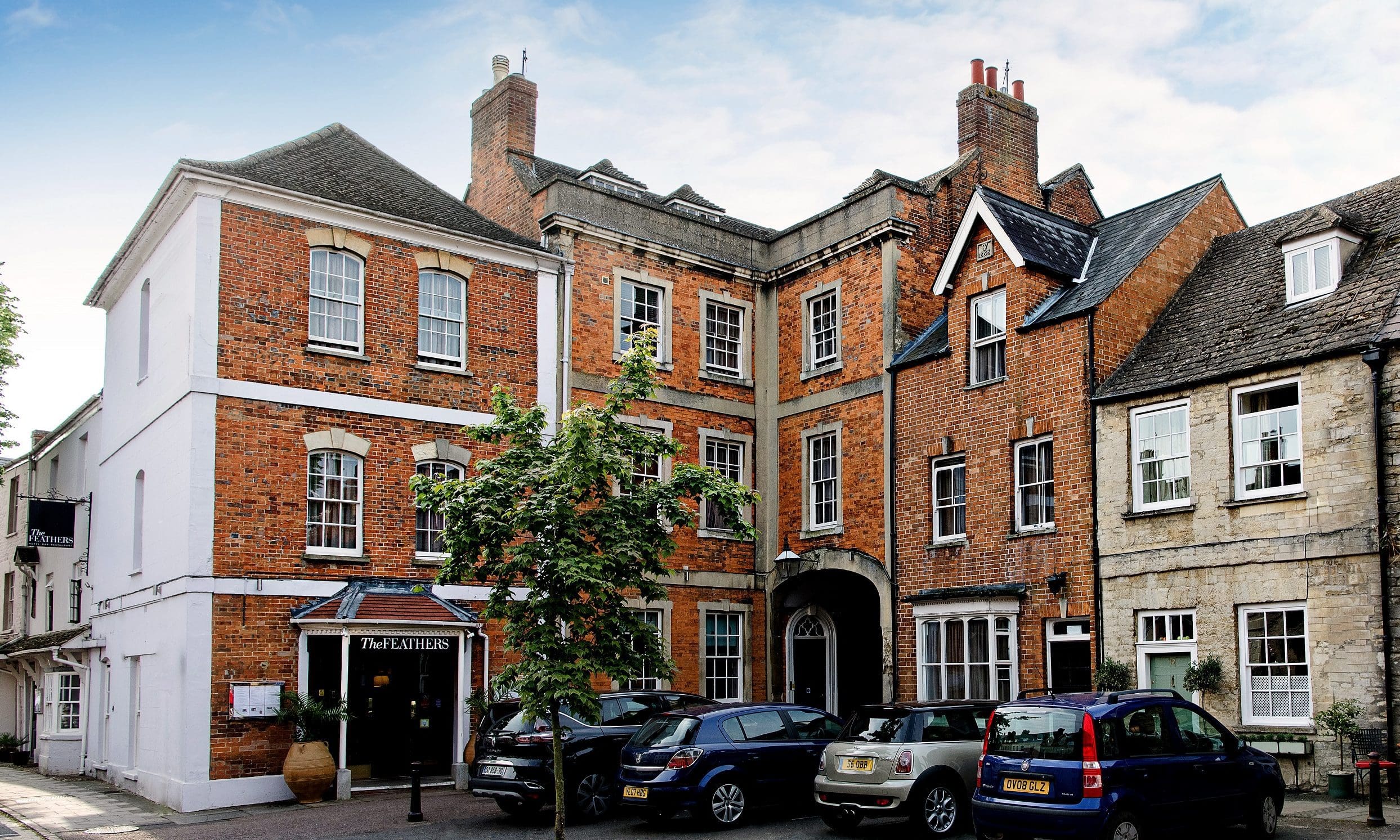
Peter Prusaczyk appointed general manager of The Feathers hotel

Peter Prusaczyk appointed general manager of The Feathers hotel

Hyde & Seek London Hyde Park appoints Paul Davies as GM

Hyde & Seek London Hyde Park appoints Paul Davies as GM

Doxford Group reshuffles senior leadership as part of expansion strategy

Doxford Group reshuffles senior leadership as part of expansion strategy

Hotel profits fall in Feb as rising staff costs hit margins, RSM finds

Hotel profits fall in Feb as rising staff costs hit margins, RSM finds

Although national occupancy rose slightly from 71.7% to 71.9% year-on-year, London experienced a decrease from 72.9% to 72.3%

In this episode we speak to Daniel Kyriakides, a partner at law firm Reed Smith. We discuss why private members’ clubs are experiencing a resurgence and what that means for the future of the hotel sector. From heritage buildings being reimagined as lifestyle destinations to hotels borrowing the experiential playbook of members’ clubs, we discuss how the lines between the two are becoming increasingly blurred, and why global growth is on the horizon for the private members club model.

In association with

Register to get free articles

No spam Unsubscribe anytime

Already have an account? Sign in

UK hotel operating profits have declined in February as stagnant occupancy levels and rising labour costs offset marginal increases in average daily room rates across the country, according to RSM UK Hotel Tracker.

The data, which is compiled and produced by Hotstats and analysed by RSM UK, revealed that Gross operating profits fell from 23.4% to 22.3% nationally and from 26.3% to 24.2% in the capital.

Although national occupancy rose slightly from 71.7% to 71.9% year-on-year, London experienced a decrease from 72.9% to 72.3%. 

The decline in profitability has been attributed to increased staff costs and the limited ability of hoteliers to further raise room rates during a period of seasonally weaker demand. 

Revenue per available room (RevPAR) also remained largely flat in London at £128.54, while the wider UK market saw a minor increase to £92.07.

The sector faces further financial pressure from an imminent rise in the National Minimum Wage, adjusted business rates, and increased energy costs.

Chris Tate, partner and head of hotels at RSM UK, said: “The hotel industry had a February, with the UK market faring slightly better than London. Given demand is weaker at this time of year, hoteliers have maxed out their ability to increase room rates, meaning cost rises are hitting the bottom line. 

“The increase in staff costs are largely behind the fall in profitability. As the Middle East conflict continues, this will weigh on consumer sentiment and their desire to spend on luxuries such as travel. This, combined with the rise in national minimum wage and business rates, will mean the sector faces lower demand and increased costs.”

Thomas Pugh, chief economist at RSM UK, added: “The hotel sector faces a blow from the energy crisis. As an energy intensive service industry, the sector will face a bigger increase in input costs than others. 

“Rising energy costs for consumers mean a squeeze in disposable incomes that will likely result in a drop in spending on hotel stays. The sharp rise in travel costs and an increase in business input costs are likely to curtail business travel. The result is likely to be a reduction in hotels’ margins.”


The hotel sector confronts persistent cost pressures

The focus on rising staff costs and stagnant occupancy levels pervades the hotel industry narrative. The decline in gross operating profits from 23.4% to 22.3% nationally in February is reminiscent of the 2025 analysis that noted cost pressures affecting profitability amid limited room rate increases. Concurrently, a modest rise in national occupancy contrasts sharply with London’s drop, reflecting a cyclical strain on hotel operators as seen in previous years.

Analyses of minimum wage increases in 2024 indicated a direct impact on bottom lines, reinforcing the trends observed in February 2026. Labour costs continue to be a central concern, particularly amid anticipated increases in energy costs impacting overall expenditure. These recurring conditions signify an ongoing challenge for the sector, as operators strive to maintain margins against a backdrop of fluctuating consumer sentiment and economic pressures.

Previous Post

Thackeray Group opens boutique aparthotel in the City of London

Next Post

Marriott and Lefay agree JV to expand wellness offering