
































Register to get 3 free articles
Register to unlock the article and receive our free newsletter. Join 26,000 other hotel leaders and stay in the know.
Want unlimited access? View Plans
Already have an account? Sign in
The use of water within our industry is very high. For example a large, five-star hotel with kitchens catering for hundreds of guests, washing machines in constant cycle and a luxury spa comprising swimming pool, sauna and whirlpool will consume gigantic quantities in just 24 hours.
One of the main threats to water safety is legionella. It is estimated that there are between 200-250 reported cases of Legionnaires’ disease each year in the UK. Infection by Legionella bacteria causes Legionnaires’ disease, a potentially fatal form of pneumonia which typically affects men more than women.
Water systems must be maintained in a good condition in order to minimise the amount of bacteria present and to avoid multiplication. So what can hotel owners and managers do to ensure that the water supply is safe for guests and staff?
- Know your legal responsibilities
Under health and safety law, such as the Health and Safety at Work Act 1974, employers, duty holders and or people in charge of premises such as hotels are responsible for carrying out a regular Legionella risk assessment in order to identify any risk areas that they may have, or potentially develop growth of the Legionella bacterium.
The majority of hotels use popular health and safety management programmes, such as Shield, which provide an overview of your water management responsibilities. However, for the most comprehensive advice water specialists are required.
Duty Holders and Site Responsible Persons can be held liable for not undergoing a Legionella risk assessment. Cases of Legionella result in a full investigation along with prosecutions for any failures in health and safety procedures.
- Conduct a thorough risk assessment
We recommend that organisations should undertake an in-depth risk assessment to identify and assess sources of risk, and manage, prevent and control these risks. But what does this involve?
- Documented overview – this will include pipework schematics and photographic evidence. Common sources of Legionella bacteria are water tanks and cooling towers and similar systems that tap into a public water supply. Certain conditions increase the risk of Legionella including the water temperature, any stored or re-circulated waters or deposits supporting bacterial growth.
- Testing and sampling – a series of tests, including those which measure temperature, flow and stagnation will be conducted which will determine your water quality throughout the system and demonstrate that it meets legal standards.
- Water management plan – The preparation of a basic water management scheme for preventing and controlling the risk of Legionnaire’s disease will ensure future legal compliance.
- Ensure regular shower head sterilisation
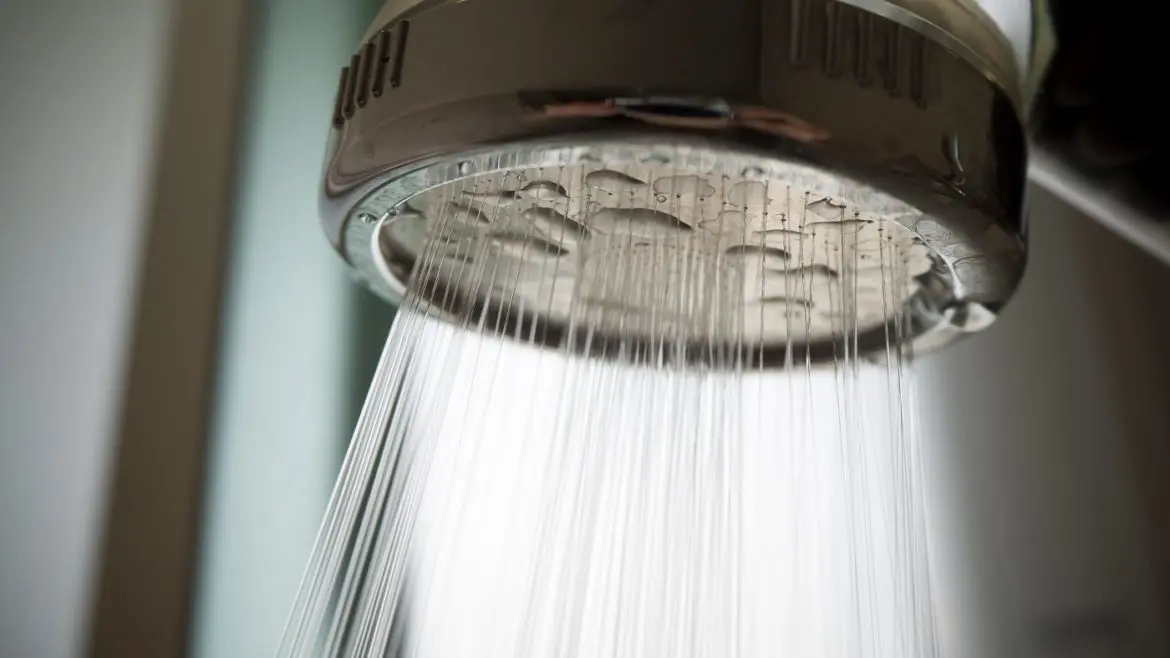
Shower head sterilisation reduces the risk of the growth of harmful bacteria. Effective treatment will require dismantling the showerhead, then cleaning and descaling it before placing it in a disinfectant and finally flushing it through with clean water.
- Service and test TMVs
A thermostatic mixing valve (TMV) is a device that controls water temperature for baths, showers and other outlets by mixing hot and cold water to produce a temperature-controlled flow. Hot water should be stored at a minimum of 60 degrees to kill Legionella bacteria, and dispensed at around 50 degrees centigrade. High temperatures carry the risk of scalding, which is potentially fatal, so TMV servicing must take place once or twice a year, depending on the system, to ensure that they are maintaining a correct temperature.
- Water tank surveys and maintenance
Water tank surveys and thorough testing of hot and cold water systems throughout the building should also be undertaken to ensure the system is functioning in a way that minimises favourable conditions for microbial growth. Your water storage tank is one of the most valuable assets at your facility, and regular servicing will ensure it is kept at the optimal level of operation.
Tanks should be inspected by industry professionals on a regular basis to ensure structural and sanitary integrity. As the majority of water tanks in hotels are used for drinking water we recommend an annual tank clean. This process is one of the most common and effective forms of water treatment and involves either injecting sodium hypochlorite (chlorine) into the system via an injection point on the mains cold water system or by dosing the tank itself.
Hotel owners and managers with concerns about the possible disruption to water can be reassured that the process can be completed with minimal interruption to your water supply.
- Conduct staff training
Training courses help you to understand the risk that Legionella poses and give you the skills to develop the systems and working practices you need, to be safe and compliant. It will give you enough knowledge to help you make confident, informed choices in the on-going control of Legionella. Legislation ACoP L8 requires all “responsible people” to be suitably trained in Legionella awareness. Equipping key personnel with the correct skills to match their level of responsibility is essential for the safe, legal and effective management of water systems.
There should be a system in place to keep and maintain the correct records. If you have five or more employees you have to record any significant findings, including those identified as being particularly at risk and the steps taken to prevent or control risks.
- Stay vigilant
Outbreaks of Legionella in the UK and around highlight the need for hotel owners and managers to be vigilant. It is human nature to think “it will never happen to me” but these events show that without putting the right processes in place outbreaks can happen anywhere.
For hotel owners, the nightmare scenario is if they have to close their business while an investigation, which can take months, takes place. Businesses will lose money very quickly and scares will have a huge impact on the reputation of the hotel.
If you suspect that your water is infected with Legionella or you are unsure about the risks, it’s important to act fast.
Shafik Megji, national sales manager for Brodex. Brodex is a leading business in the field of water hygiene management. This feature first appeared in the February 2016 issue of Hotel Owner.